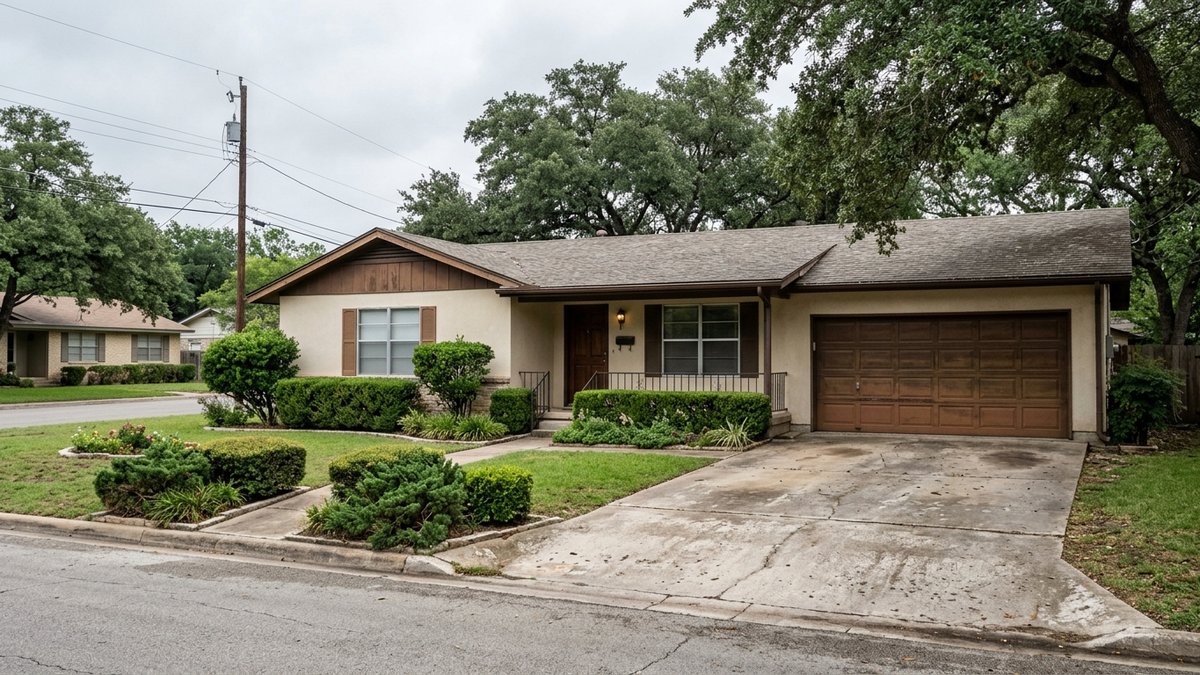
When should you call an agent before selling in New Braunfels?
Call when selling has moved from a passing thought to a realistic option. You do not need a spotless house, a final move date, or a finished repair list before you make that call. In fact, waiting for every detail to feel settled can make the planning harder. The first conversation is where you start separating what needs attention from what can wait.
A seller in New Braunfels may be balancing a job change, a purchase in another town, a family move, a tenant situation, or the wish to test the market. Those situations do not require the same timeline. A home that needs paint, basic cleanup, and new photos has a different path from a home with a roof question, foundation work, an unfinished remodel, or records that need to be gathered. The useful goal is not to pick a universal number of days. It is to learn what your own property needs before you promise yourself a date.
An early seller consultation should also take some of the pressure out of pricing. You can look at the home as it is, discuss what a buyer may notice, and decide which work is worth investigating before you spend money. That is a better starting point than choosing a list date first and then trying to force every repair, document, and decision into the remaining time. If you are still deciding whether a sale makes sense, Glen’s seller resources and the New Braunfels home-selling guides can help you frame the questions to bring to that conversation.
What can an early seller consultation settle?
The first meeting should give you a working plan, not a command to renovate the whole house. Start with the decision pressure. Is the concern time, condition, cash for repairs, a future purchase, or uncertainty about what the home could command? Once that is clear, you can sort the property into a few practical lanes: presentation work, repairs that need estimates, records to collect, and questions that belong with another professional.
Presentation work may include cleaning, decluttering, paint touch-ups, landscaping, or making rooms easier to show. Those choices can improve how a home is experienced without changing the structure or systems. A larger concern may need a contractor opinion or a closer look at past work. That does not mean every older feature must be replaced. It means you should know which items affect the plan, the budget, or the conversations that may come after an inspection.
It is also a good time to talk about how you want the sale handled. The Texas Real Estate Commission encourages consumers to interview more than one broker or sales agent and to check a license holder’s status. Ask what services are included, how communication will work, what preparation the agent believes is useful, and what fees are set by the agreement. The goal is to choose representation with a clear view of the work ahead, not to sign an agreement because the calendar suddenly became urgent.
Which home-prep jobs can change the timeline?
The jobs that can change a timeline are usually the ones tied to systems, structure, permits, contractors, or incomplete records. Inside the City of New Braunfels, the Building Permits office lists residential permit categories that include roofing, foundations, additions, remodels, electrical, mechanical, plumbing, driveways, pools, and floodplain development. That is a useful reminder that a repair can be more than a quick item on a pre-listing checklist.
The City says a complete residential permit application usually receives its first response in about 10 business days, and incomplete plans can delay review. That does not tell you how long a particular contractor or project will take. It does show why a substantial repair should be discussed before a list date is fixed. The City also distinguishes cosmetic work, such as painting and decorating, from projects that alter a structure or building system. The actual rule depends on the scope and the property jurisdiction, so confirm permit questions with the City or the governing authority instead of relying on a neighbor’s experience.
Use this simple checkpoint before you spend money. For cosmetic work, ask whether it makes the home cleaner, brighter, or easier to understand at a showing. For a repair, ask whether it solves a known condition issue and whether you have time for a proper estimate and record. For structural or system work, ask what permits, plans, inspections, and contractor availability may be involved. For every category, keep invoices, warranties, permits, and before-and-after information you already have. A clear paper trail can be as useful as the work itself when buyers start asking questions.
Do not turn the consultation into a race to make the house look new. A well-planned sale is about making the condition understandable, deciding where preparation is worthwhile, and avoiding last-minute projects that create more uncertainty than value.
How should you approach disclosures, records, and specialized questions?
Gathering information early gives you time to be accurate without trying to solve every issue alone. Start a property folder with repair invoices, warranties, permits, surveys, HOA documents if they apply, and notes on known work or conditions. You may not have every record, and you should not guess to fill a gap. The point is to know what you have, what needs to be requested, and what deserves a closer conversation before the home goes live.
Texas Property Code Section 5.008 provides a seller’s disclosure notice for covered residential property. The notice describes the seller’s knowledge of the property’s condition when it is signed, and it is not a warranty or a replacement for a buyer’s inspection. That is why the disclosure process deserves room in the plan. It is not a form to rush through after the listing photos are scheduled. Property-specific disclosure obligations can depend on the transaction, so ask an appropriate qualified professional about questions outside an agent’s scope.
The same boundary applies to title, estate, tax, insurance, or legal questions. TREC explains that license holders can complete approved forms for a client but cannot give advice beyond their expertise. If the sale has an unusual ownership issue, a question about a document, or a specialized tax or legal concern, the useful next step is to identify it early and take it to the qualified professional who can address it. That keeps the listing plan grounded in what is known instead of built on assumptions.
An agent can help organize the selling process, request the right information, and keep the property, preparation, pricing, and offer decisions connected. They should not be asked to replace an inspector, attorney, tax professional, insurer, or contractor. Clear roles make the preparation period calmer and reduce the chance that a late discovery forces a rushed choice.
How do you set a list-date range without guessing?
Set a range after you know the work, not before. Begin with the move window you are trying to protect. Then list the tasks that must happen before the home can be presented well and the tasks that may need another professional’s answer. A range gives you room to make a sensible call if a contractor is delayed, a permit question takes longer than expected, or a document is harder to locate than you thought.
A practical plan can be organized around five checkpoints. First, identify the target move window and any dates you cannot change. Second, walk the property and separate cosmetic improvements from repair, permit, or system questions. Third, collect the records you already have and make a short list of missing items. Fourth, interview licensed agents, compare the services and fees offered, and decide who will coordinate the marketing and negotiations. Fifth, choose a list-date range only after those pieces are visible.
This framework also helps with the money decision. Some sellers need to know whether a repair is necessary before they budget for it. Others need to decide whether their time is better spent on cleanup, staging, photography, or a move. You do not need to make every possible improvement. You need a plan that matches the home’s condition, your timeline, and the buyer questions that are most likely to matter. For related guidance, review the pre-listing repair budget guide, the professional home staging guide, and the seller net-sheet tool before your consultation.
If selling in New Braunfels is on your horizon, a conversation with Glen Robison can help you put the property, records, repair questions, and timing into one workable order. Call before you need an immediate answer. That gives you more room to decide what to do, what to leave alone, and when the home will be ready to list.