Why does a Canyon Lake property need a different pre-listing check?
A Canyon Lake property can ask buyers to evaluate more than bedrooms, finishes, and a list price. One address may have an on-site sewage facility, a private road question, a survey from a prior transaction, a floodplain question, or records that explain an improvement. Another may not. The useful first step is to identify what is true for the specific property before the photos, description, and pricing conversation are set.
That does not mean every seller needs to solve every possible Hill Country question before listing. It means the listing should distinguish between documents that already exist, details that need to be confirmed, and assumptions that do not belong in marketing. A buyer may still order inspections, seek title review, ask a utility provider about service, or talk with a qualified professional. Early records make those next steps easier to understand.
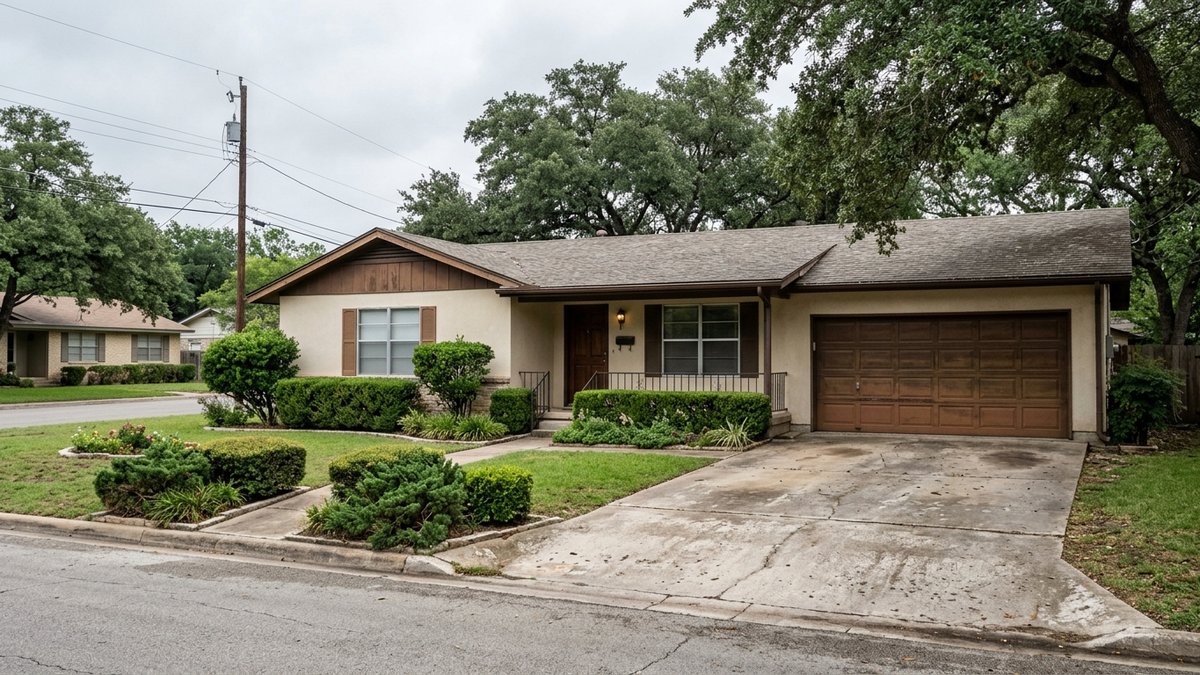
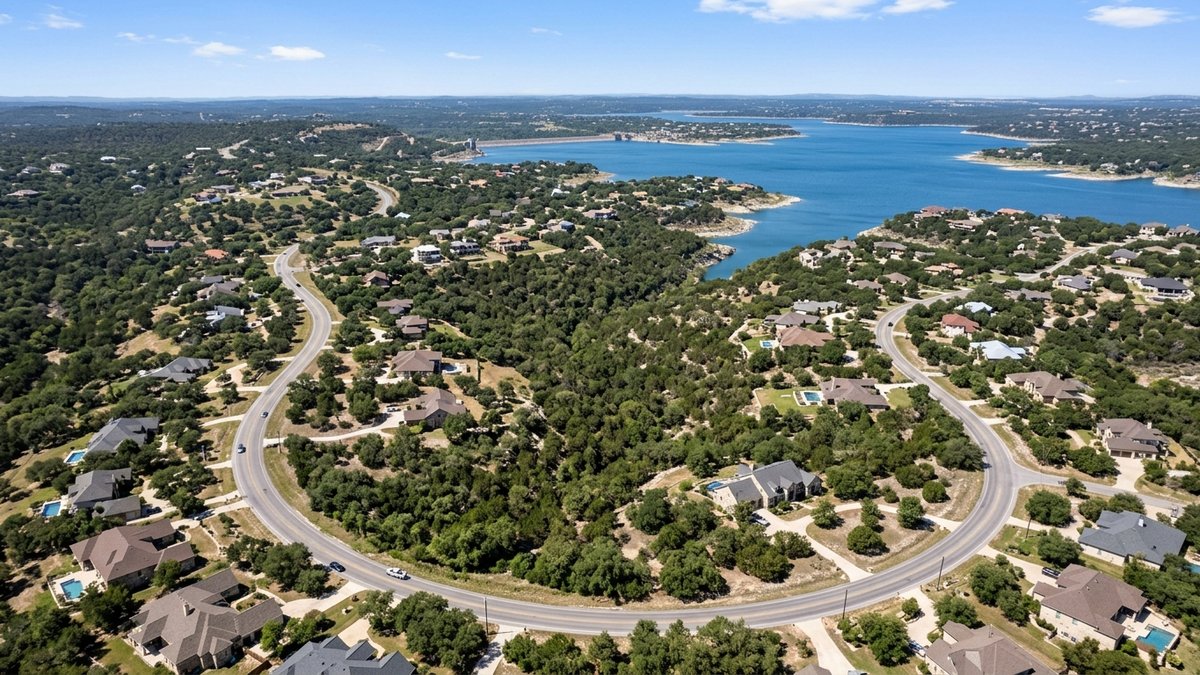
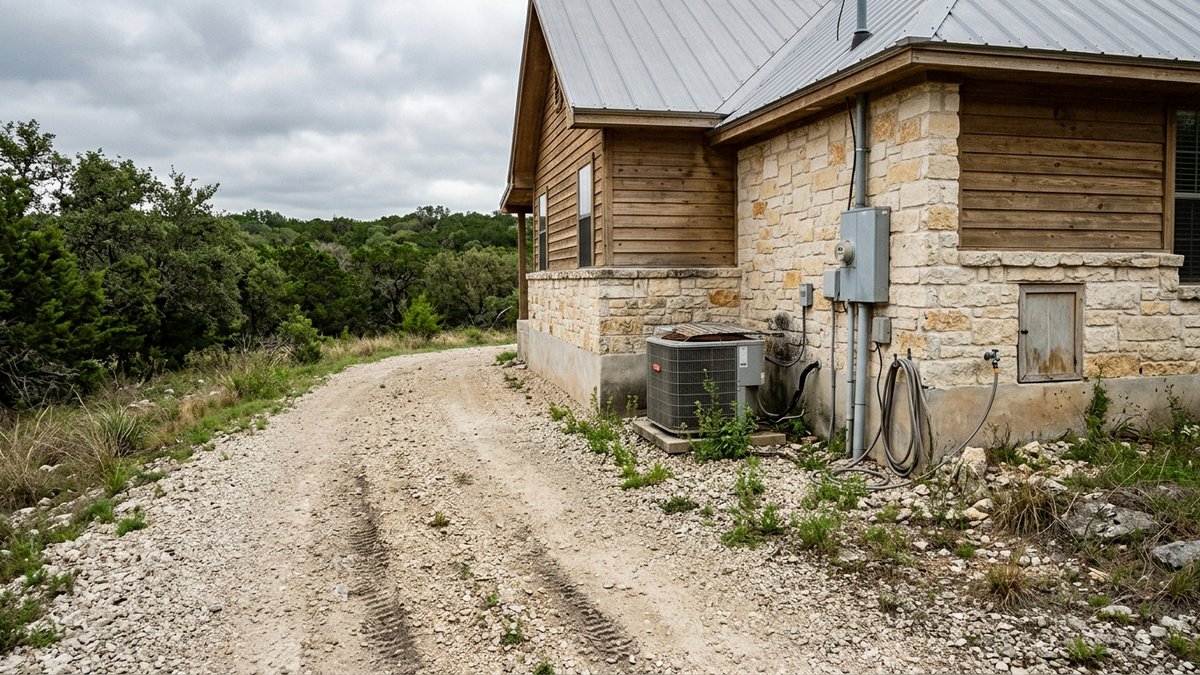
Start by matching the pre-listing plan to the actual property type. A waterfront-adjacent home, a property with septic, and a home in a managed subdivision can each need a different fact packet. The site has a separate guide to Canyon Lake homes and local property search for owners who want to see the market context, but preparation should stay focused on the address in front of you.
The trade-off is simple. Gathering facts before launch takes some effort. Leaving basic property questions unanswered can turn a serious inquiry into a delay while everyone searches for the same records. A calm preparation process gives the listing a better chance to describe the home clearly without claiming more than the records support.
Which property records should you gather before the listing goes live?
Begin with the records that identify the property and explain known work or conditions. Available items can include the legal description, a prior survey, improvement records, repair invoices, manuals, warranties, gate or access information, and documents connected to an HOA or recorded restriction. These materials do not replace a buyer’s own diligence. They help the seller and listing team describe what is known accurately.
For a Comal County address, the Comal Appraisal District offers an online property search. Its own disclaimer says legal descriptions and acreage amounts are for appraisal-district use and should be verified before legal use. That is a good reminder to treat the appraisal record as a starting point, then keep the survey, deed, title commitment, or other transaction document in the proper role.
Separate known condition from a future-use claim
The Texas Real Estate Commission identifies its Seller’s Disclosure Notice as the form used with a contract for a previously occupied single-family residence and describes it as covering material facts and physical condition under Texas Property Code Section 5.008. A seller should discuss the right disclosure process for the transaction with the appropriate real estate and legal professionals. For listing preparation, the practical task is narrower: gather records about known repairs, systems, improvements, and conditions so the property description and later conversations do not rely on memory alone.
Do not turn a maintenance invoice or an old survey into a broader claim. A roof receipt can document work that occurred. It does not create a guarantee about future performance. A survey can show what it depicts. It does not answer every title, boundary, access, or easement question for a new buyer. Clear labels and available source documents are more useful than a confident sentence that reaches beyond them.
How should sellers check septic and floodplain questions?
Treat septic and floodplain questions as address-specific due diligence, not standard lines to copy into every Canyon Lake listing. If a property has an on-site sewage facility, ask what permits, plans, maintenance records, service documents, and repair records are available. Comal County Environmental Health provides a septic permit-record search and says it reviews OSSF designs and issues permits. The Texas Commission on Environmental Quality also directs homeowners to their permitting authority and maintenance information for on-site sewage facilities.
Those records can help a buyer understand the existing system. They do not prove that a different system, added structure, future use, repair, or extension will be approved. If the record is missing, do not fill the gap with a guess. Identify the correct county office or qualified professional who can address the property-specific question.
Floodplain information needs the same discipline. Comal County says floodplain information should be requested in writing with a lot, deed, or legal description and a map showing the location. The county explains that written requests help avoid misunderstanding the exact location. That makes a broad statement such as “not in a floodplain” a poor substitute for an address-level response from the responsible source.
If a prior elevation certificate, floodplain response, drainage record, or flood-related repair document is available, place it in the fact packet and describe it accurately. Do not draw an insurance conclusion from it. Insurance availability, cost, coverage, and a buyer’s requirements depend on the property and provider. The same restraint applies to future building, lake access, and shoreline questions. The listing can explain what records exist and who can verify the next question.
What belongs in a Canyon Lake pre-listing fact packet?
A good fact packet does not need to look like a closing file. It should make the first serious questions easier to answer and show where a buyer should continue the investigation. Assemble the records you have, then make a short list of the items that need confirmation. That approach keeps the listing useful without turning it into a legal, engineering, title, insurance, or inspection opinion.
A practical packet can include:
- Property identity: address, available legal description, prior survey, and current appraisal-district record.
- Systems and improvements: available septic permits or maintenance documents, repair records, invoices, manuals, warranties, and visible improvements.
- Location and restrictions: available HOA materials, road or gate information, utility contacts, recorded documents, and written floodplain information when relevant.
- Listing materials: accurate photographs, a clear note of what is included, and a pricing discussion based on comparable active and sold properties.
Use the packet to make the listing more precise. For example, a listing can identify that septic records are available without claiming the system is suitable for a buyer’s plan. It can provide a survey without claiming that every boundary question is settled. It can direct a buyer to the county floodplain office without interpreting the response.
| If this question comes up | Put this in the packet | Keep the listing claim limited to |
|---|---|---|
| Where are the boundaries? | Available survey, legal description, or title contact | The document that is available |
| How does wastewater work? | Permits, maintenance records, or county contact | The existing record, not future approval |
| Is the site in a flood area? | Written county response or available elevation material | The source document, not an insurance conclusion |
| What restrictions apply? | HOA, recorded, or title documents that are available | The document and verification path |
This is also a useful point to compare the fact packet with the listing’s price and presentation. The separate Canyon Lake home selling costs guide can help frame the seller-side budgeting conversation. Keep that cost discussion separate from property records and buyer diligence.
How do you turn the checklist into a stronger listing plan?
After the facts are organized, decide what the photos, description, and pricing discussion need to explain. Good photos should make the approach, setting, important improvements, and condition understandable. The written description should match the records and the actual property. If an item needs confirmation, say less in the marketing and give the interested buyer the correct path to verify it.
Then review the property against current comparable listings and recent sales with the same level of detail. A Canyon Lake property with an unusual lot, access pattern, private system, condition issue, or location feature should not be priced as if those differences do not exist. At the same time, a local feature should not be presented as a value guarantee. The pricing conversation is about the buyer’s alternatives and the seller’s timing, condition, and net-proceeds priorities.
Early buyer feedback can show whether the listing has a price question, a presentation question, or a missing-information question. Repeated requests for the same document may point to a fact packet gap. Repeated comments about condition or comparable choices may point to a different issue. Do not react to one comment with a random change. Look for a pattern, then decide whether the next step is a clearer record, better presentation, a condition conversation, or a new price review.
For repairs, separate the decision to improve, document, disclose, or leave an item for the buyer’s inspection process. Pre-listing repair planning can help organize that budget discussion before the property goes live. The goal is not a perfect property. It is a listing that gives the right buyer a clear, accurate starting point.
What is the best next step before selling a Canyon Lake property?
Start with an address-level review before the sign goes up. Gather the records you already have, note the questions that need a county, provider, title, inspection, or other qualified professional to answer, and make sure the photos and listing language reflect the property as it is today.
That process helps a seller avoid two common problems: a listing that says too little to help a serious buyer, and a listing that says more than the evidence can support. It also creates a better conversation about price, condition, timing, and net proceeds because the property facts are on the table early.
For a practical Canyon Lake listing plan built around the property’s actual strengths and constraints, contact Glen Robison before the listing goes live.