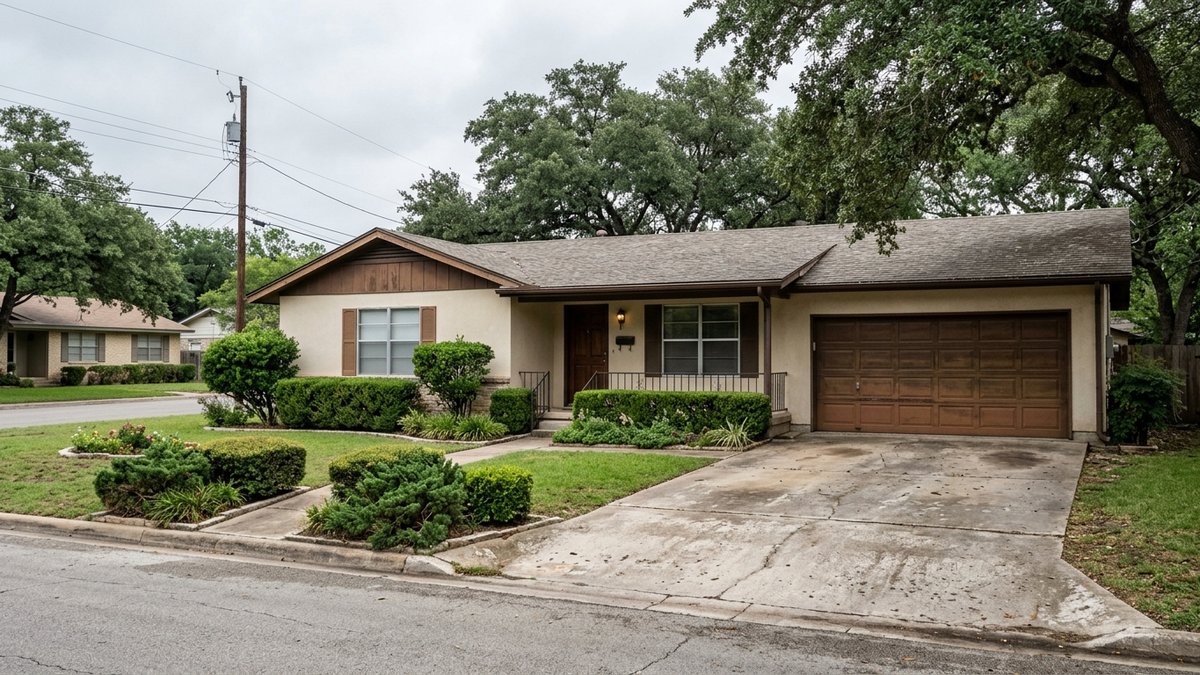
What is a realistic pre-listing repair budget?
A seller with a clean, well-kept New Braunfels home may only need a few hundred dollars to a few thousand dollars in prep. That can cover deep cleaning, paint touch-ups, fresh mulch, light landscaping, caulk, grout, minor trim fixes, and small items that make the showing feel cared for.
The bigger planning number is 1% to 4% of value. Realtor.com shows New Braunfels listings around a $368,995 median listing price, so that rule puts many sellers near $3,700 to $14,800. That is not a quote. It is a planning range that helps you decide whether the prep list is normal, light, or getting into a bigger condition conversation.
Bankrate uses up to 4% of home value as a broader annual maintenance budget. That is useful because it keeps sellers from pretending repair costs vanish right before a sale. A roof item, HVAC service, electrical repair, or plumbing fix can use a real share of the budget fast.
Older homes need a closer look. So do homes with long rental history, vacant months, past storm damage, or years of deferred maintenance. The budget can move quickly when small visible clues point to bigger system questions. That is especially true when small repairs were handled for years without receipts or service records.
If you are getting ready to sell your home, ask which repair protects the deal. Then ask which one only makes you feel busy.
Which repairs should come before cosmetic upgrades?
Start with anything that could scare a buyer, create a lender issue, or become a large inspection objection. That usually means active leaks, roof damage, electrical concerns, plumbing problems, HVAC problems, moisture, wood rot, broken windows, trip hazards, and obvious safety items.
Cosmetic work comes after that. Paint can help. Landscaping can help. New cabinet pulls can help. But fresh paint will not make a buyer ignore a stained ceiling, a hot panel, or an air conditioner that has not been serviced.
This is where a pre-listing walkthrough pays off. You want to know which issues are likely to show up in inspection before a buyer has the home under contract. Once the buyer finds the problem, the repair becomes part of a negotiation. Before listing, you still have more control over scope, contractor choice, timing, receipts, and presentation.
I also like to separate repairs into two buckets: deal-risk items and presentation items. Deal-risk items threaten the contract. Presentation items help the home show better online and in person. Most sellers need both, but the order matters.
Do not let a contractor’s wish list become your listing strategy. Get the price, then compare that repair against likely buyer concern and nearby competition. Some repairs are smart. Some are personal preference. Some should wait for the buyer because the next owner may choose a different finish, layout, or upgrade path.
How does the New Braunfels market change the decision?
Condition matters more when buyers have choices. Realtor.com shows meaningful inventory in Guadalupe County, with 3,562 active listings and a median days on market around 54 days in its April 2026 market snapshot. New Braunfels also sits across Comal and Guadalupe County, so your exact subdivision, price point, age, and buyer pool matter.
That does not mean every seller has to remodel. It means you should not assume buyers will overlook obvious repair issues because the home is in New Braunfels. A buyer comparing homes near Gruene, the west side, Walnut Avenue, or the county line may have enough options to be picky.
Price also sets the standard. A $320,000 Guadalupe County listing and a higher priced Hill Country property do not carry the same buyer expectations. The same $8,000 repair list can feel normal in one price band and heavy in another.
Look at the competition through a buyer’s eyes. If three similar homes have newer roofs, cleaner exterior paint, and fresh service records, your repair list becomes part of pricing. If your home already shows better than the competition, you may not need to chase every cosmetic idea.
The repair decision also changes by property type. A downtown bungalow, a newer subdivision home, a lake-area property, and an acreage home can raise different buyer questions. Septic, well, drainage, roof age, pier and beam movement, and exterior wear can each change the prep plan.
This is why I would rather see a seller spend money with a market plan than chase random updates. Your seller net sheet should sit next to your repair list. If a repair does not protect price, reduce risk, or improve the odds of a cleaner contract, it deserves a hard look.
Should you fix problems or offer a repair credit?
Sometimes a repair credit is cleaner. Sometimes fixing the item before listing is smarter. The answer depends on the issue, the buyer’s loan type, timing, contractor access, and how visible the problem is.
A buyer may be comfortable taking a credit for worn carpet or dated fixtures. The same buyer may not feel comfortable with an active roof leak, electrical concern, or moisture issue. Some lender or insurance questions can also make a credit less simple than it sounds. Verify this with your lender, title company, CPA, attorney, or insurance professional.
Pre-listing repairs give you a chance to control the story. You can show receipts, explain the work, and remove one more objection from the buyer’s inspection response. Credits can work well when the repair is subjective, cosmetic, or better handled by the buyer after closing.
Receipts matter more than many sellers expect. If you repair a system, keep the invoice, scope, permit record if one applies, warranty details, and contractor contact information. Buyers still get their own inspection, but clean paperwork can calm down a messy repair conversation.
This is general real estate information, not legal, tax, lending, or financial advice. Before you decide, talk through the repair with your agent and the right pro. The contract details matter, and your file may have facts that change the best move.
When should you start the repair plan?
Give yourself more time than you think. A local seller prep timeline of 6 to 10 weeks before listing is a practical starting point. Build in extra room for contractor bids, a pre-list inspection, landscaping, cleaning, paint, or staging conversations.
Waiting until photos are scheduled puts pressure on every decision. You start approving work because you are out of time, not because the work fits the market. That is how sellers spend money on low-impact items and leave higher-risk items untouched.
Start with the home as it sits today. Walk the exterior, roofline, attic access, garage, mechanical systems, bathrooms, kitchen, windows, drainage, fence, and curb appeal. Then put the list in order: safety, water, structure, systems, exterior, presentation.
Do not skip the exterior just because the inside photographs well. In New Braunfels, sun, wind, hail, sprinklers, mature trees, and hard water can show up in paint, trim, roofs, gutters, windows, fencing, and landscaping. A buyer notices those things before they reach the kitchen.
If you are using the seller guide, treat repairs as part of the pricing conversation. A clean home can still be overpriced. A repaired home can still need a smart launch plan. Repairs help most when they support the price buyers already see in the comps.
Before you list, get a real number for your specific home. I can walk through the property, compare the repair list with nearby competition, and help you decide what to fix, what to disclose, and what to leave alone. You can contact me here when you are ready to talk through the numbers.