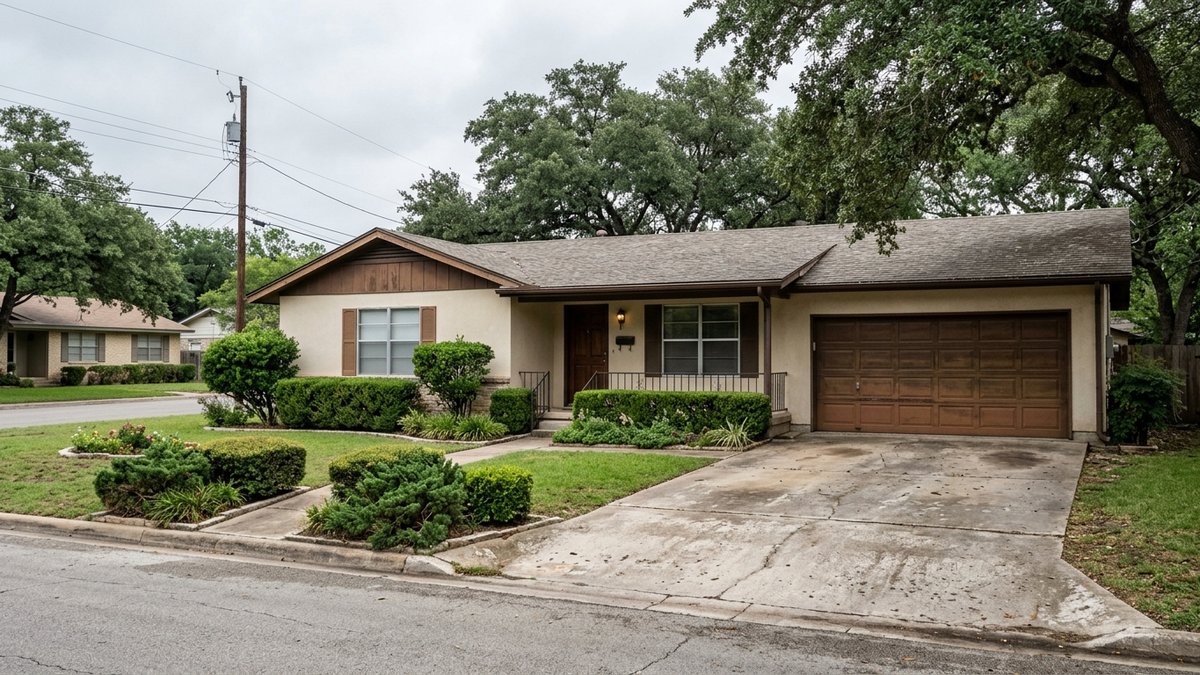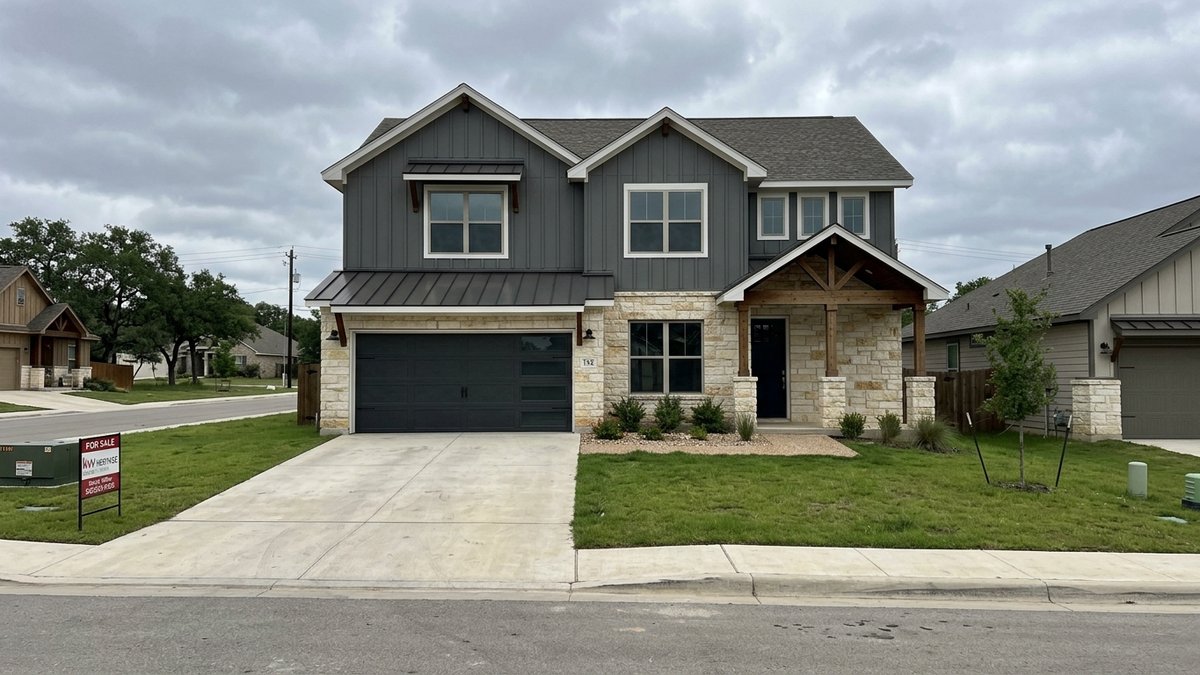
When should you begin preparing a New Braunfels home to sell?
Begin before the date is locked in if your home has work that could change the calendar. A fresh coat of paint, a deep clean, and decluttering are usually easier to schedule. A repair that touches a system, a contractor who needs to open a wall, or a question about prior work deserves more lead time. The goal is not to turn every sale into a remodel. It is to avoid discovering a decision that affects the listing plan after photos are booked.
A useful first pass is a calm room-by-room walk. Make three lists: what helps the home show better, what needs a professional opinion, and what needs a record or answer. The first list may include cleaning, paint touchups, and removing crowded furniture. The second may include a roof concern, plumbing issue, electrical question, or a repair with unknown scope. The third may include receipts, warranties, invoices, permits, surveys, and information that may matter in a seller disclosure.
This approach gives the listing date a real foundation. A seller who wants to move quickly may decide to handle only the presentation items and price with the remaining work in mind. Another seller may have time to verify a larger repair first. Both paths can be reasonable. The wrong move is committing to a calendar before knowing which category owns the work.
If you are still deciding how much to take on, start with Glen’s seller guide and make the plan around the actual property, not a generic checklist. New Braunfels real estate covers older homes, newer construction, and Hill Country properties with different repair histories and details. A good preparation plan leaves room for those differences.
Which pre-listing projects need a permit check?
Check the permit question before scheduling work that goes beyond presentation. The City of New Braunfels says permits are required for many types of construction, alteration, repair, and electrical, gas, mechanical, or plumbing work. Its guidance also identifies painting, decorating, floor covering, and certain minor aesthetic work as examples that do not require a permit. That difference matters when a seller is choosing between a quick update and a project that may carry a review or inspection process.
Do not try to solve that line from a blog post. If a project may involve a permit, call the City or have the contractor confirm the requirement before you rely on the proposed timing. The City provides a building permits resource and a permit search, which can help frame the question. Properties outside the City limits may be subject to another authority, so New Braunfels guidance is not a substitute for checking the address.
Put records beside the scope of work
For any larger project, keep the scope, contractor information, invoices, permits if applicable, and final paperwork in one place. That does not mean every improvement must be completed before listing. It means you can make a clearer choice about whether to finish it, disclose what is known, or adjust the pricing and marketing plan around the home’s current condition.
This is where seller preparation becomes a negotiation issue, not a decorating issue. A project that is halfway complete or hard to document can generate questions after a buyer is interested. Knowing the project status before the home goes live helps you decide what to explain and what professional needs to confirm the next step. For a broader repair decision, Glen’s guide to repairs before selling in New Braunfels is a useful next read.
Why should disclosures and records be part of your early plan?
Start gathering property information early because the seller disclosure is about what the seller knows, not a task to leave until the last week. The Texas Real Estate Commission Seller’s Disclosure Notice describes Form 55-1 for previously occupied single-family residences and ties it to Texas Property Code Section 5.008. The Texas statute says the notice reflects the seller’s knowledge of the property’s condition and is not a substitute for inspections or a warranty.
That distinction is practical. You are not trying to perform an inspection yourself. You are organizing what you know about the property so the listing and transaction can be handled with fewer surprises. Pull together invoices for major repairs, warranties that may still be relevant, service records, permit paperwork if applicable, and notes about issues you have addressed. If an answer is unclear, ask the professionals involved in your sale how to handle the transaction-specific question.
Records also help you decide whether a project belongs in the pre-listing plan. If the HVAC was serviced recently, having the record is different from claiming the system has no future risk. If a roof repair was completed, the invoice can help explain what was done without turning it into a guarantee. Keep the language factual and let the right professionals address inspection, title, legal, or contract questions that fall outside a seller’s own records.
Sellers sometimes spend all their energy on what buyers will see in photos. The contract file matters too. A clean record folder can reduce the scramble once showings, questions, and offer deadlines arrive. It is one of the more useful ways to sell my home in New Braunfels with a clear plan rather than a last-minute pile of paperwork.
How do you decide what to fix, verify, or leave alone?
Use the decision pressure, not emotion, to sort the work. Ask whether the item affects how the home functions, whether it may require a permit or contractor review, whether you can document what is known, and whether delaying the answer could create more friction after an offer. This creates a more honest plan than trying to make every surface look new.
| Type of task | Start with | Decision to make |
|---|---|---|
| Cosmetic work | Cleaning, decluttering, paint touchups, and presentation | Is the return in showing quality worth the time and cost? |
| Repair or system work | Scope, contractor input, and permit verification when applicable | Finish before listing, document the condition, or price around the work? |
| Transaction and move-out tasks | Disclosure information, records, utility coordination, and closing plan | What needs to be organized before offers and what waits until the closing schedule is known? |
The table is not a rule that every home needs the same answer. A dated room might be fine if the rest of the home is positioned and priced accordingly. A small issue may be worth handling before photos if it keeps the showing experience clean. A larger project may be better discussed with a contractor, then evaluated against its cost, timing, and the effect on the listing plan.
The point is to decide before the market does it for you. You do not need to over-improve to be prepared. You need a clear story about condition, the records you have, the work you are completing, and the work you are not completing. That clarity helps a New Braunfels REALTOR build a marketing and pricing conversation around the actual home.
For a detailed property, acreage home, or a home with several past projects, start this conversation earlier. More moving pieces do not mean the sale is harder. They mean the decision list needs to be organized before a buyer’s inspection and contract deadlines create a louder version of the same questions.
What should be on your final listing and move-out checklist?
Keep the final checklist short enough to use. Before photos and showings, confirm that the home is clean, access is simple, the property looks consistent with how it will be marketed, and the record folder is ready. Before closing, confirm the items tied to your actual contract, title process, and move schedule with the professionals handling the sale. Do not cancel a service or schedule a final handoff based on a generic online timeline.
For homes served by New Braunfels Utilities, its start, stop, and transfer service guidance says stop-service requests need at least one business day of advance notice and asks customers for a service address, forwarding address, and identification. That is a local detail worth putting on the move-out list, but it applies to NBU customers. Other utility providers have their own processes.
Use this final sequence:
- Confirm the condition and presentation items that must be complete before photos or showings.
- Gather repair, service, permit, and warranty records that support what you know about the home.
- Verify the permit question for any work that goes beyond cosmetic updates.
- Review disclosure and transaction questions with the professionals responsible for your sale.
- Put utilities, keys, access items, and moving tasks on the contract-specific closing calendar.
If you are trying to choose a listing date around work, records, and a move, contact Glen Robison before the plan becomes rushed. A practical pre-listing conversation can help you decide what to complete now, what to verify, and what to leave alone without pretending every home needs the same playbook.