What does waterfront mean at Canyon Lake?
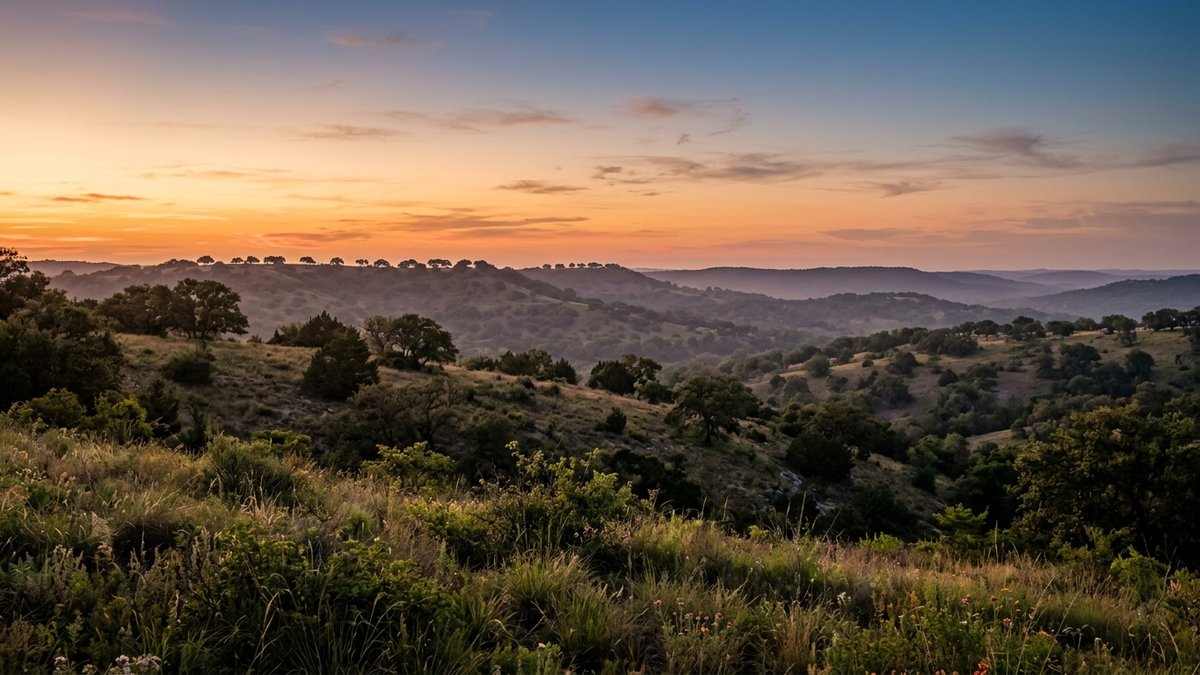
At Canyon Lake, waterfront should start a property-specific investigation, not finish it. A house may sit beside the lake while federal land lies between the private parcel and the water. Another property may include private land affected by a federal flowage easement. A listing description alone does not tell you where the private boundary ends, whether the public can walk across nearby federal land, or whether a dock, path, staircase, wall, or water intake is allowed.
The U.S. Army Corps of Engineers says federal fee land at Canyon Lake includes the land inundated at the 909-foot normal conservation pool and a surrounding strip of varying width. The Corps also says most of that public land remains open to pedestrian use. Physical adjacency therefore does not create a private shoreline or exclusive use by itself. The surveyed boundary and federal records matter more than how close the patio appears to the water.
Buyers searching for waterfront homes in Canyon Lake, TX should ask for a current survey and title documents early enough to use them in the comparison. Match the survey to what you see on site. Note fences, cleared paths, stairs, retaining features, sheds, utilities, and other improvements near the lake-facing side. If the value of the home depends on one of those features, ask for written property-specific support for its location and permitted use.
This is a narrower question than whether you like the Canyon Lake area. Glen’s Canyon Lake waterfront homes overview can help you frame the search. The purchase decision still turns on the records and conditions attached to the exact address.
How do federal fee land and flowage easements affect a buyer?
Federal fee land and flowage-easement land are different interests, and a buyer should identify both before assigning value to lake adjacency. The Corps describes fee land as property owned by the federal government. It describes flowage-easement land as privately owned land on which the federal government holds certain rights connected to the lake project. The distinction affects what is private, what may be publicly accessible, and where improvements may face restrictions.
The Canyon Lake office says flowage easements are generally associated with private land below the 948-foot contour, but an easement may instead follow a metes-and-bounds description. It also warns that the easement may not appear in a newer deed even though it was recorded in an earlier instrument. That makes the title history and the actual easement description more useful than an assumption based on elevation or a current listing.
Put the recorded line on the property you are considering
Ask the title company and surveyor to identify recorded interests on the exact parcel. The Corps specifically urges prospective buyers to determine the flowage-easement line before buying. If the survey or title work raises a question, direct it to the responsible title, surveying, legal, or Canyon Lake Project Office contact instead of interpreting the document from a marketing description.
The Corps says written consent can be required for structures or utilities on flowage-easement land. It also restricts private encroachments on federal fee land. A structure that already exists is not proof that a future change, repair, replacement, or expansion will be accepted. Ask for the record tied to the specific feature. This is general process guidance, not a conclusion about what any one deed permits.
Is a lake-adjacent home better than a near-lake home?
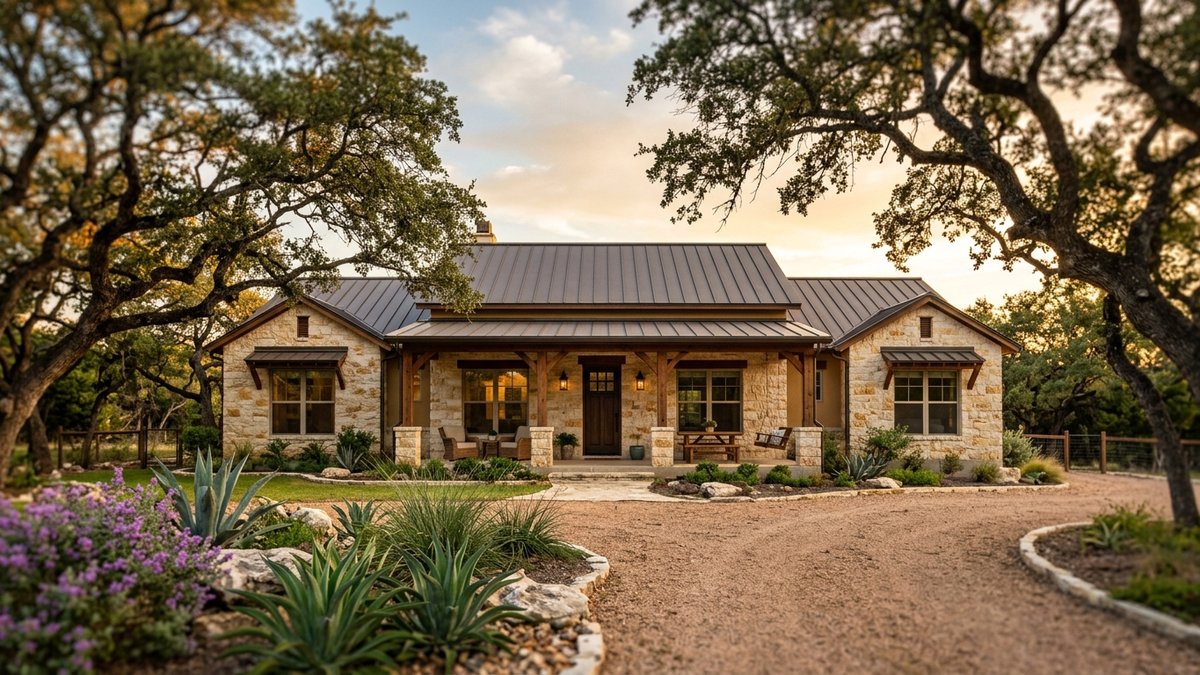
A lake-adjacent home is the stronger fit when the daily setting matters enough to justify deeper boundary, easement, access, insurance, septic, improvement, and maintenance review. A near-lake home can be the better choice when usable private land and simpler improvement planning matter more than being beside federal shoreline land. Both can provide a Canyon Lake lifestyle, but they do it through different ownership and access patterns.
Do not assume that near-lake means inconvenient. A property with a reliable route to a public ramp, park, or marina may fit a buyer’s actual lake use better than an adjacent property whose path to the water is steep, exposed, restricted, or impractical at current conditions. On the other hand, a buyer who values the view and daily setting may decide that added diligence is worthwhile even without exclusive shoreline rights.
| Comparison point | Lake-adjacent property | Near-lake property |
|---|---|---|
| Daily setting | Lake proximity may shape the view and routine | Setting depends more on the neighborhood and route to recreation |
| Boundary review | Federal fee land or an easement may be especially important | Survey and title still matter, but the lake boundary may be less central |
| Water use | Confirm practical access and any claimed private feature | Confirm the route, parking, and current rules for public access |
| Improvements | Lake-facing features may need added record review | Private-lot plans may be simpler, subject to parcel and HOA rules |
| Upkeep | Exposure and lake-facing terrain may add property-specific work | Upkeep depends more on the lot, systems, and neighborhood conditions |
Use the same criteria for every finalist. Glen’s guide to living full time at Canyon Lake gives a broader ownership lens, while the Canyon Lake homes for sale page can help organize the active search. The right category does not choose the house. The exact parcel, records, access, and trade-offs do.
Which records should you check before giving waterfront features value?
Give a waterfront feature value only after the supporting record matches the feature you expect to use. A view, path, staircase, dock, cleared area, retaining feature, water intake, or claim of exclusive access can influence a buyer’s price judgment. Each deserves its own verification because the useful right may be narrower than the visible feature or listing language suggests.
Build one file for each serious property and collect these seven items:
- A current survey showing the private parcel boundary and visible improvements.
- Title documents and deed history identifying federal fee land, flowage easements, and other recorded interests.
- Written Canyon Lake Project Office information relevant to any lakeside structure, utility, path, or proposed change.
- Practical access notes based on the current route to the water, ramp, park, or marina.
- Current flood and insurance information from the responsible sources for that address.
- Septic, water, utility, inspection, and maintenance records that apply to the property.
- HOA, parking, road, and rental rules for the exact community and lot.
The checklist is meant to reveal gaps, not to turn a buyer into a surveyor, title examiner, engineer, insurer, or septic professional. If one record is missing, identify who can supply or interpret it. If two documents appear to conflict, do not pick the answer that supports the purchase. Ask the qualified professional responsible for that part of the review.
For properties with on-site systems, Glen’s guide to buying a home with a well or septic system provides a useful companion checklist. For broader location risk, the New Braunfels flood-risk buyer guide explains why map and insurance questions should be tied to the address rather than a general area label.
What should you verify during the final property comparison?
Before choosing between two Canyon Lake homes, compare what you can document today. Do not give extra weight to a claimed lake feature because it appears established or because a previous owner used it. Confirm the private boundary, the legal and practical access pattern, the records for existing improvements, and the professionals who still need to answer open questions.
Walk each property with the survey available if possible. Look at the route from the house toward the lake, changes in grade, drainage features, the location of septic components, fences, utilities, and improvements close to the lake-facing edge. Record what you observe as a question. Visual inspection helps you ask better questions, but it does not replace the survey, title work, Corps records, inspection, insurance information, or system records.
Then make a side-by-side decision sheet. Mark each item as verified, needs confirmation, or not important to your plans. Include the boundary, easement, water access, flood and insurance information, septic and utilities, improvements, HOA rules, road access, parking, rental rules, and expected upkeep. Write down the one lake-related feature that carries the most value for you. If that feature remains unverified, treat its value as unconfirmed until the right source supports it.
A disciplined comparison protects the choice without pretending every waterfront home has the same risk. One lake-adjacent parcel may have clear records and a setting that fits your priorities. Another may depend on assumptions about land or access that you do not want to carry. A near-lake home may provide the simpler ownership pattern you prefer while keeping recreation within a workable drive. For help comparing Canyon Lake properties at the parcel level, contact Glen Robison.