What should buyers check before buying near the Guadalupe or Comal River?
Do not treat river proximity as a postcard decision. Treat it like contract due diligence.
Before you write on a New Braunfels home near the Guadalupe River, Comal River, Lake Dunlap, Gruene, or a low-water crossing, check the flood zone. Then check the insurance quote, road access, drainage pattern, and disclosure history. A pretty view does not answer those questions.
FEMA says its Flood Map Service Center is the official public source for flood hazard information produced for the National Flood Insurance Program. It also says flood maps can be updated, and downloaded information can change or become superseded. That means a map check is a starting point, not the whole answer.
I would want the buyer to know what the lender sees, what the insurer sees, and what the seller knows. If those three stories do not match, slow down. The house may still be a good fit, but the offer needs the right timing, documents, and exit points.
This is not about avoiding every home near water. It is about knowing the risk before the option period gets crowded. River-area buyers often look at location first. Glen will usually pull the conversation back to documents, deadlines, and what happens if one answer changes the deal.
How should flood maps shape your offer terms?
Flood maps should shape the offer because they can affect lender requirements, insurance cost, inspection timing, and the buyer’s comfort with risk. That is contract territory.
Start with FEMA’s map lookup by address, place, or coordinates. Then ask your lender whether the property is in a Special Flood Hazard Area. FloodSmart explains that flood insurance can be required when a federally backed lender is involved and the building is in a high-risk flood zone.
Do not wait until the week before closing to learn that the lender wants a flood policy. Get the quote early. Ask whether the premium depends on elevation, prior claims, coverage level, or the exact building location. If the home has an elevation certificate, review it with your lender and insurance contact.
The contract discipline here is simple: put the risk checks before your deadlines get tight. If a river-area home needs extra flood, insurance, survey, or lender review, make sure the offer gives you enough room to get real answers.
Also ask whether the lender’s flood determination matches what you found on FEMA’s site. If it does not, get clarification before the appraisal, inspection, and insurance timelines all stack up. Small mismatches can burn days. In a competitive offer, days are not small.
The cost question should be practical too. A buyer may afford the purchase price and still dislike the total monthly payment after flood insurance is added. Get that number while you still have choices.
What local river conditions should buyers remember?
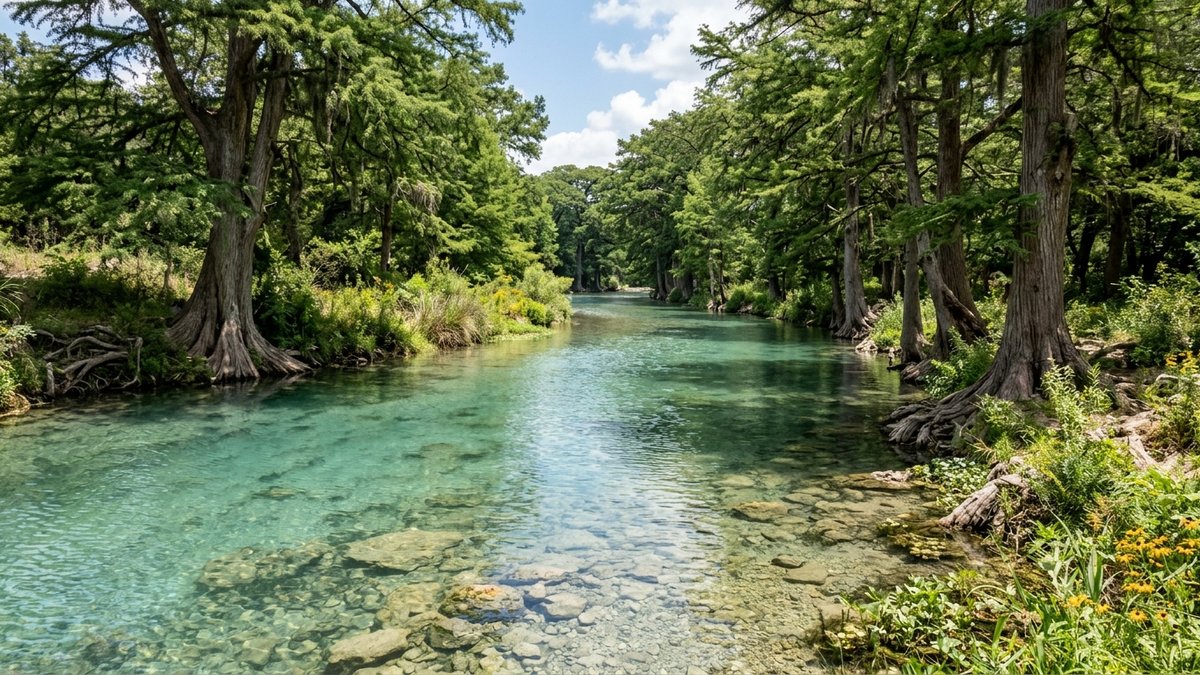
New Braunfels river conditions can change quickly. That matters even when a property is not directly on the water.
Recent local reporting in 2026 showed Comal River access closing and reopening after heavy rain, high flows, debris, and safety concerns. Use that as local context, not as a claim about one house. The buyer question is more practical: how does water move around this property when the area gets a hard rain?
Walk the site with drainage in mind. Look at slope, low spots, retaining walls, nearby creeks, culverts, street drainage, and driveway access. Ask what routes you would use if low-water crossings are closed. Ask whether the seller has had water in the garage, yard, crawl space, or living area.
A house can sit outside the highest-risk map zone and still have drainage problems. A house can sit near water and still be manageable if the documents, insurance, elevation, and site conditions make sense. Glen’s job is not to scare you off the river. It is to help you ask the questions before the contract starts running your calendar.
If the property has a lower level, outdoor kitchen, detached garage, or riverside storage, include those areas in the review. Water damage in a secondary space can still affect repair cost and resale. Buyers sometimes focus only on the living area. That misses the way Hill Country properties actually get used.
Drive the surrounding streets after a rain if timing allows. Look for standing water, washed gravel, blocked drains, and road dips. Those small clues can change your inspection questions.
Which documents belong in your flood-risk review?
Ask for documents early because flood-risk questions rarely improve under deadline pressure.
Start with the seller’s disclosure, survey, FEMA map result, insurance quote, and any available elevation certificate. Then ask whether there are past flood claims, drainage repairs, French drains, foundation work, grading changes, or water-intrusion repairs. If the property has outbuildings, river improvements, retaining walls, or a lower-level garage, include those in the review.
The City of New Braunfels floodplain management resources belong in the buyer’s file too. If future work is part of your plan, ask whether floodplain rules could affect additions, substantial improvements, rebuilding, or site changes. Do not assume you can raise, expand, enclose, or convert space just because the current owner uses it a certain way.
This is where a buyer benefits from Glen’s landman background. A contract is full of small details that matter later. Floodplain documents, insurance language, and seller answers are not decoration. They help you decide whether to keep moving, renegotiate, bring in another expert, or walk.
If a seller cannot answer a water-history question, that is not automatically a deal killer. It is a sign to verify another way. Ask the inspector where to look. Ask the insurer what records matter. Ask the surveyor what the map is telling you.
If the property needs work, ask the contractor to look at floodplain limits before pricing your dream version. The cheapest bid is not useful if the work needs a permit path that has not been checked.
When should you call Glen before buying a river-area home?
Call before the offer is written if water, floodplain status, insurance, or access could affect the deal. Once the clock starts, every missing answer becomes more expensive.
A buyer looking near Gruene, downtown New Braunfels, the Comal River, the Guadalupe River, or Lake Dunlap should not use the same checklist as a dry interior subdivision. Start with the New Braunfels buyer process, then add the river-specific checks: flood maps, insurance, elevation, drainage, access, disclosure history, and future improvement limits.
If you are comparing river access with lake-area options, the Canyon Lake community guide can help frame the lifestyle and property-type tradeoff. If you are still narrowing location, the New Braunfels neighborhoods guide gives you a cleaner local map.
The right home may still be the one near the water. Just make that decision with documents, not vibes. If you want a second set of eyes before you write, contact Glen and talk through the risk before the offer gets loud.
That call can also help you decide which experts need to be lined up first. Sometimes that is the insurance agent. Sometimes it is the inspector, lender, surveyor, or contractor. The right order depends on the property.
River homes are emotional. The contract still has to be boring, clear, and protective. That is the balance Glen is looking for.
If the answers check out, you can move with more confidence. If they do not, you learned it before the deal owned your week.