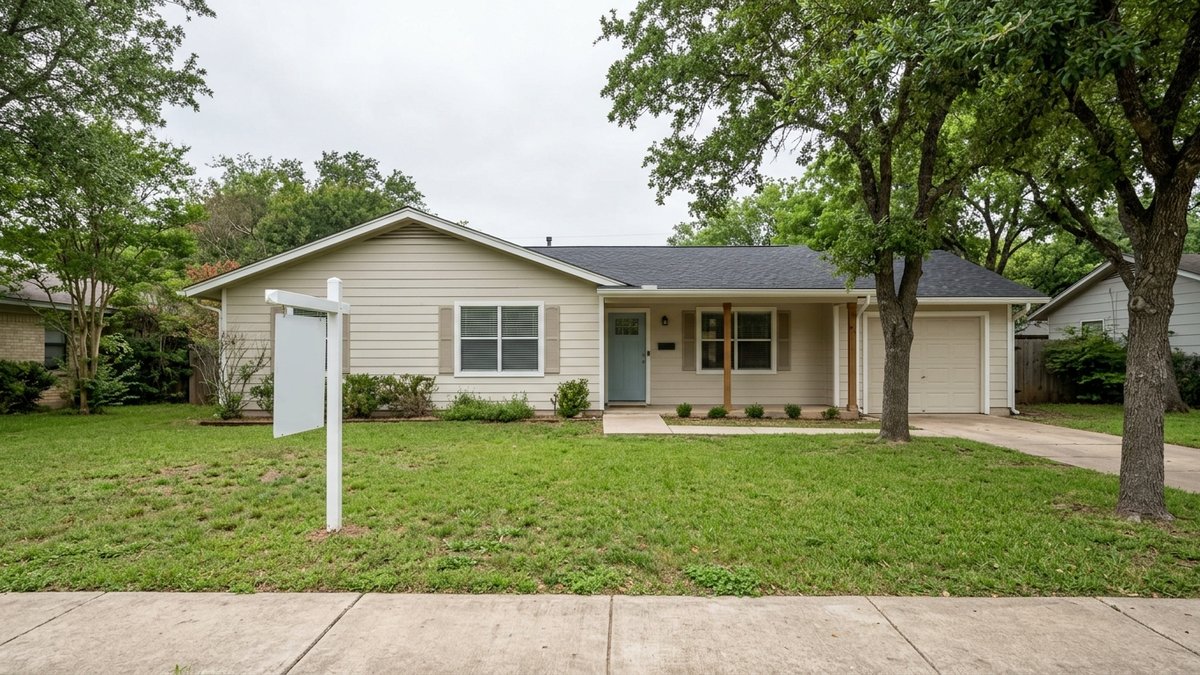
Does spring give River Chase sellers a real advantage?
Spring often gives River Chase sellers a larger pool of active buyers, but the calendar can’t rescue the wrong price or an unfinished property. The useful advantage is more opportunity for a strong listing to be seen. It isn’t a promise of a faster sale or a higher price.
The current New Braunfels numbers make that distinction clear. Redfin reported a $339,797 median sale price for May 2026, with 388 homes sold and a median of 82 days on market. Homes received about two offers on average, and the average sale-to-list ratio was 97.8 percent. Those citywide figures cover a spring period, yet they still show buyers taking time and negotiating below list on average.
River Chase needs a tighter comparison than New Braunfels as a whole. A custom home on a larger lot, a property near FM 306, and a house in another section with different outdoor features may attract different buyers. Condition and lot usability can matter more than the month on the listing agreement. Current River Chase competition should carry more weight than a national claim about the best week to sell.
Spring also creates a preparation deadline. Photos need to show the acreage and outdoor areas well. Landscaping, drainage, exterior maintenance, aerobic septic records, and repairs may need attention before the photographer arrives. If those jobs are still half finished, listing during a popular month can expose the property before it is ready. Early buyer response is valuable. You don’t want to spend it explaining work that should have been completed.
Treat spring as a demand window, not a finish line. Start early enough to choose the launch date after the property file, pricing review, and presentation plan are complete. The seller who begins planning in winter has more control than the seller who decides in April that spring sounds good.
When can an early-fall listing be the better move?
Early fall can be the better move when the home will be fully ready, the competing set is favorable, and waiting for another spring creates real cost or disruption. Fewer seasonal buyers don’t make fall unusable. They make accurate positioning more important.
Start with your deadline. If you need to close before year-end, coordinate another purchase, or stop carrying an empty property, waiting several months may solve one market concern while creating another. Taxes, insurance, utilities, lawn care, maintenance, and financing costs continue during the delay. Put those numbers on the seller net sheet before treating spring as free optionality.
Fall can also work when competing inventory has thinned. That does not mean every remaining listing gains an advantage. Compare the homes a buyer will actually see in the same price band. Look at River Chase section, lot character, house condition, outdoor use, major systems, and documented improvements. An early-fall listing with clear answers can stand out beside homes that have been sitting since summer.
Preparation matters here too. Texas Hill Country heat can make late-summer landscaping and exterior work harder to schedule. If September is the target, plan photography and outdoor cleanup around actual property conditions rather than a date circled months earlier. The house should look intentional when it reaches the market.
Deep fall adds another pressure: holidays compress showing schedules and closing logistics. That does not make a sale impossible, but it narrows the margin for delays. An early-fall launch leaves more time to read showing feedback, correct a positioning problem, and negotiate a closing date before the calendar becomes crowded.
Choose fall because the facts support it, not because you missed spring. A deliberate September plan feels very different from a listing that went live late after repairs slipped all summer.
What makes River Chase timing different from a citywide average?
River Chase timing is property-specific because the community covers two large sections with different physical patterns. The River Chase POA describes 361 residential lots across nearly 100 acres in the western portion and 1,371 lots across about 2,300 acres in the eastern portion. Both sections use aerobic septic systems, while utilities and neighborhood amenities differ.
Those details affect the pre-listing calendar. A wooded lot may need careful cleanup without stripping away its character. A larger outdoor area can take longer to photograph and prepare. Septic service records, surveys, improvement documents, utility information, and association materials may need to be gathered. A seller who skips that work can lose time after a buyer starts asking property-level questions.
The comparison set can also be thin. One River Chase sale may be a poor match because its section, lot, condition, or improvements differ. A second property may have similar square footage but serve a different buyer because of privacy, outdoor space, or maintenance load. That makes a broad spring-versus-fall price comparison unreliable. There may not be enough truly comparable sales to separate the effect of season from the effect of the house.
Use current New Braunfels data as background, then price from the property outward. The Four Rivers Association of REALTORS publishes monthly New Braunfels reports, and Redfin updates local activity from MLS and public-record data. Neither source replaces a current review of closed, pending, active, and withdrawn River Chase listings.
Seasonal data needs care for another reason. Redfin says most of its monthly housing metrics are now seasonally adjusted to remove predictable holiday and calendar effects, while median sale prices remain unadjusted. The U.S. Census Bureau also describes seasonal factors as estimates based on past patterns. A recurring pattern can help with planning, but it cannot tell you what one custom home will do next spring.
The practical takeaway is blunt: don’t delay a ready River Chase home solely because a national article favors another month. First compare the exact property against the inventory buyers have today.
How should you build a spring-or-fall work-back calendar?
Build the calendar from the latest acceptable closing date, then work backward through launch, photography, property preparation, and document collection. This keeps the move decision in control instead of letting a preferred season dictate everything.
First, write down the closing window you can actually accept. Include your next housing step and any period when carrying two properties would become uncomfortable. A target without those limits is only a wish.
Second, estimate the work honestly. Walk the house and land before booking photos. Note repairs, exterior maintenance, landscape cleanup, drainage concerns, septic documentation, service records, and association questions. Decide which work affects buyer confidence and which work is optional. The seller guide can help organize the preparation list.
Third, choose the photography and launch window after contractor availability is known. Leave room for weather and a final property walk. A rushed schedule tends to push the unfinished details into the first week on market, when buyer attention matters most.
Fourth, review the current competing set shortly before launch. Record asking price, days on market, price changes, lot pattern, condition, and the major differences buyers will notice. Closed sales support value. Active listings show your competition. They do different jobs.
Finally, set a review point before the listing goes live. Decide when you will evaluate showing volume, repeat interest, buyer questions, and changes in competing inventory. Do not promise a price change on a fixed day. Agree to review the evidence so one harsh comment does not cause a reaction and a pattern of weak response does not get ignored.
Run this process twice if your timing is flexible. Build one calendar for spring and one for early fall. Add carrying cost and moving pressure to each. The better plan is the one that gives the home enough preparation time without making the seller absorb an unnecessary delay.
Which questions should decide your listing season?
The decision should turn on readiness, competition, seller cost, and move timing. If one of those answers is vague, the season choice is premature.
Ask whether the property can be ready before the target launch, not merely presentable enough for a quick photo session. River Chase buyers may compare outdoor use, lot condition, septic information, records, and near-term maintenance along with the house itself. Missing answers can become negotiation pressure after an offer arrives.
Ask what buyers can choose instead. A spring listing may face more buyers and more sellers. An early-fall listing may face a smaller audience but less direct competition. Count only meaningful alternatives in the same price and property pattern. A small in-town New Braunfels house isn’t a useful competitor for every River Chase property.
Ask what waiting costs. Add monthly carrying expenses, planned work, travel, lawn care, vacancy concerns if applicable, and the effect on your next move. Then compare that cost with the possible benefit of a broader spring audience. The benefit is uncertain. The delay cost can often be estimated more clearly.
Ask how much flexibility you have after launch. A seller with a hard closing deadline may need a more conservative pricing position. A seller with time can watch the market longer, but time still costs money. Contract terms matter alongside price. Closing date, option period, repairs, concessions, and financing can change which offer fits the plan.
Use Glen’s selling process to frame the preparation and pricing work before choosing the date. If the calendar still feels close, compare both scenarios with real numbers and current River Chase listings. Then choose one plan and commit to the preparation it requires.
A good listing season is the one you can use well. Contact Glen for a property-specific River Chase comparison before you decide to rush this fall or carry the home until spring.