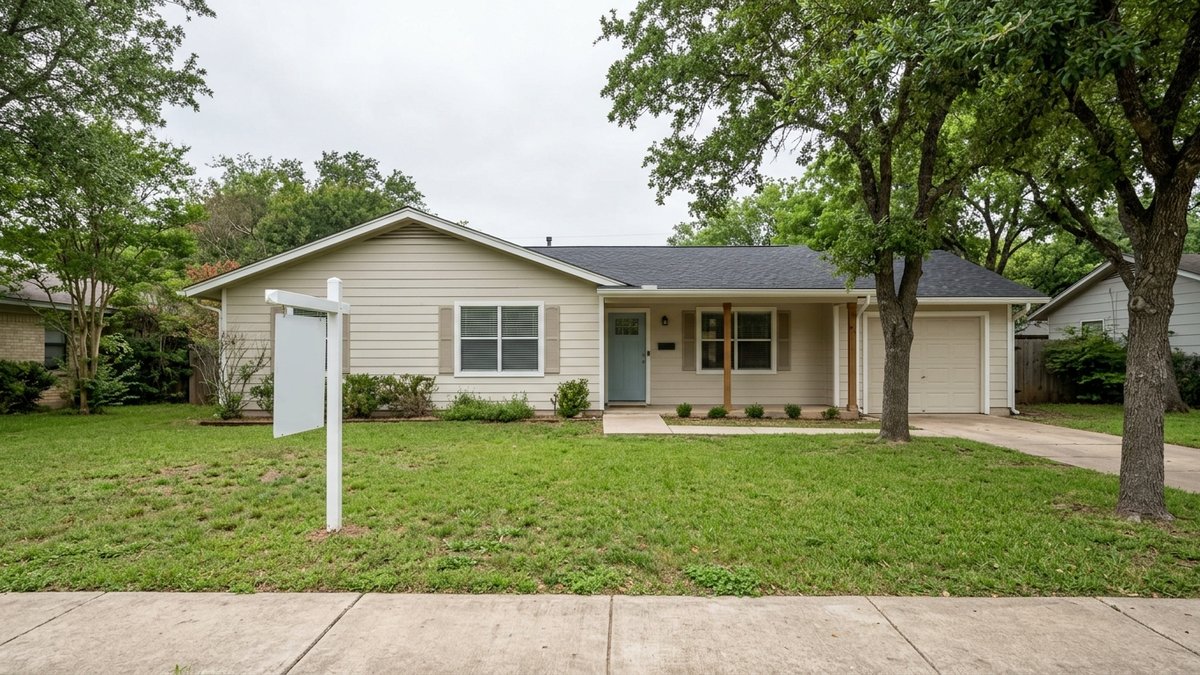
Which repairs should come first before you list?
Start with anything that is actively damaging the house or could make a buyer question whether the property has been maintained. A leak, drainage problem, broken window, unsafe step, loose railing, failed HVAC component, or electrical concern deserves attention before a new backsplash. These items can affect inspections, insurance conversations, buyer confidence, and the way an offer is written.
Walk the property in the same order a cautious buyer will experience it. Begin at the drive and front elevation. Look at rooflines, gutters, trim, exterior paint, windows, doors, hardscape, and drainage paths. Inside, test fixtures, appliances that convey, lights, doors, plumbing, and heating or cooling. A small defect can feel larger when several appear during one showing.
The goal is not to create a flawless house. It is to remove distractions that make buyers wonder what else has been ignored. Keep invoices, warranties, permits, and contractor notes for completed work. Those records help the next conversation stay factual. They do not replace the seller’s duty to disclose known conditions.
Texas updated the TREC Seller’s Disclosure Notice effective May 28, 2026. It covers material facts and the physical condition of a previously occupied single-family residence. Treat disclosure and repair as separate jobs. Repair what makes sense, document it, and answer disclosure questions honestly with help from the appropriate professional when needed.
What makes a repair different in Vintage Oaks?
Vintage Oaks adds a community-document check to ordinary listing preparation. The official community resources provide a resale-certificate request path and links to design guidelines and the architectural review application. Before replacing exterior materials, changing landscaping, repainting, or correcting an older improvement, find the current rules for your exact property.
Do not rely on a neighbor’s project or an old copy saved in an email. Texas HOA records identify recorded Vintage Oaks governing and design documents, and the controlling version can change through later filings or board-approved updates. Unit, section, and recorded restriction details can matter. Ask for the resale certificate and current governing documents early enough to resolve a question before a buyer’s deadline.
The resale process can surface regular assessments, special assessments, unpaid amounts, restriction notices, or other association information. That does not mean every Vintage Oaks seller has a problem. It means the file deserves the same early attention as title, survey, payoff, and disclosure paperwork. Waiting until a contract is active compresses the time available to correct a mismatch.
Exterior work needs the same discipline. A contractor may be ready to begin, but contractor availability does not prove association approval. Confirm the process first, keep written approval when required, and preserve the final paperwork. That is far cheaper than finishing a project and learning during the sale that the documentation is incomplete.
Which visible updates usually deserve a closer look?
Visible maintenance deserves attention when it creates a negative pattern. Peeling trim, stained caulk, damaged screens, dead fixtures, loose hardware, worn entry paint, dirty glass, and neglected beds can make a structurally sound home feel tired. Handle the obvious maintenance before assuming buyers demand a full renovation.
Paint can help when the existing finish is damaged, unusually dark, or inconsistent from room to room. Flooring deserves a repair or cleaning discussion when wear dominates the first impression. Lighting can be worth correcting when rooms feel dim because bulbs do not match or fixtures do not work. Landscaping cleanup should reveal the home and keep drainage paths clear, not turn into an expensive redesign.
Kitchens and baths require restraint. New counters beside dated cabinets may expose the remaining age rather than solve it. A rushed floor replacement can create transitions or installation questions. A roof replacement can be sensible when condition or insurability is a real obstacle, but it should not be prescribed from age alone. Get property-specific evidence before committing.
Ask one plain question: what buyer objection does this project remove? If the answer is vague, price the home with its current condition and compare that route with the cost, delay, and risk of the work. Your seller net sheet should include project cost and carrying time, not just a hoped-for price increase.
How do you decide whether to repair, credit, or price around an issue?
Use four checks. First, does the condition threaten safety, continued damage, normal function, insurance, or financing? Second, will a typical buyer notice it immediately and assume broader neglect? Third, does Vintage Oaks require approval or documentation for the proposed work? Fourth, does the cost make sense beside the likely buyer objection and your timing?
Repair can be the cleanest route when the scope is known, qualified help is available, and the result removes uncertainty. A credit may fit when buyers will prefer their own finish or contractor, but the contract language and lender treatment need professional review. Pricing around a condition may be reasonable when the work is elective or the seller cannot complete it before market. None of these choices guarantees a particular outcome.
Get real estimates. A round number chosen at the kitchen table can be too high, too low, or disconnected from the actual scope. Compare estimates with the likely listing position and current competing homes. Then decide whether the work improves the sale enough to justify the cash and time.
This is where preparation becomes negotiation strategy. The seller guide can help organize the process, while the selling page explains how listing preparation fits the larger plan. The final answer depends on this house, its documents, its condition, and the market position you want on day one.
What should you complete before photos and showings?
Finish dusty or disruptive work before photography. Remove contractor materials, touch up repaired surfaces, replace failed bulbs, clean windows, clear counters, and make sure every room has an obvious use. Buyers should be able to see the house without decoding unfinished projects.
Build a property file at the same time. Include the current survey if available, association contacts, resale-certificate request, approvals, receipts, warranties, service records, and notes for disclosure questions. Do not hide a known condition behind a cosmetic patch. A clean file helps everyone separate a resolved repair from an unanswered concern.
Review the exterior once more after cleanup. Hill Country sun, dust, wind, and drainage can expose details that were easy to miss from inside. Check gates, outdoor lighting, irrigation concerns, loose stone, walkways, and vegetation against the structure. Confirm that any planned exterior change follows current Vintage Oaks guidance.
Then stop. Over-improving is still overspending. A buyer may remodel even after you choose expensive finishes. The stronger move is a home that feels cared for, is priced with its condition in mind, and comes with organized answers. If you want a property-specific repair and pricing conversation, contact Glen before you start signing contractor proposals.
How should timing affect your repair plan?
Schedule a pre-listing walk before ordering work. Bring the likely project list, rough timing, and seller net goals. Sort each item by the decision it affects. A drainage correction may protect the structure. A working light may improve presentation. A design change may need association review. A luxury finish may have no clear buyer case. That conversation turns a nervous punch list into an actual sale plan.
Consider sequencing too. Diagnose moisture before painting a stain. Service a system before replacing finishes around it. Confirm exterior approval before ordering nonreturnable materials. Photograph concealed conditions and completed repairs when that record may help. Ask contractors to describe the scope accurately on invoices. Good sequencing prevents one repair from damaging another and keeps the property file understandable.
Recheck the budget after estimates arrive. Include taxes, insurance, utilities, lawn care, and financing costs during any delay. A project that appears affordable can lose value when it postpones the listing by several weeks. The decision is about net and timing together.
Compare the home’s condition with its likely competitors. Buyers may tolerate an older kitchen when the house is clean, maintained, and priced accordingly. They may react strongly to unresolved water intrusion even in a beautifully updated room. Condition, price, and presentation need to tell the same story. Stop when the remaining projects cannot prove their value.
What records should you keep after repairs?
Get a written scope for every large item. The cheapest bid may omit disposal, permits, finish work, access protection, or the repair that caused visible damage. Ask what happens if the contractor uncovers a larger problem. Confirm who handles approvals and cleanup. A useful estimate lets you compare repair with a credit or pricing decision on the same facts.
Plan for inspection questions even after work is complete. A buyer’s inspector may flag a related item or ask for more information. Keep before photos, final photos, paid invoices, warranties, approvals, and permits together. Do not describe a repair beyond what the contractor documented. Clear records help the parties discuss the actual work without turning a small uncertainty into a broad dispute.
Leave room for ordinary showing preparation. Deep cleaning, window cleaning, suitable exterior washing, landscape cleanup, and removing excess belongings can improve presentation without pretending to be renovation. Those tasks still need time and money. Put them on the calendar so contractor delays do not crowd out photography.
Review the file with your listing agent before going live. Resolve missing dates, unclear invoices, open permits, and association questions while you still control the schedule. Organized paperwork will not make a condition disappear, but it keeps known facts from becoming a last-minute scramble.