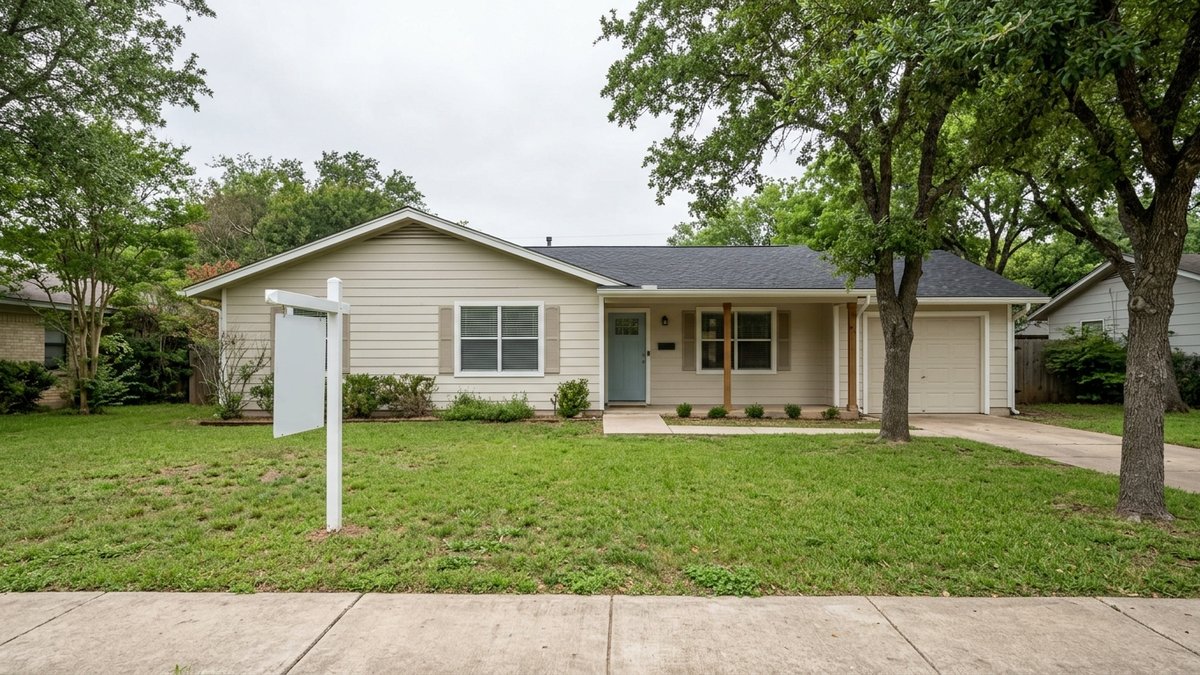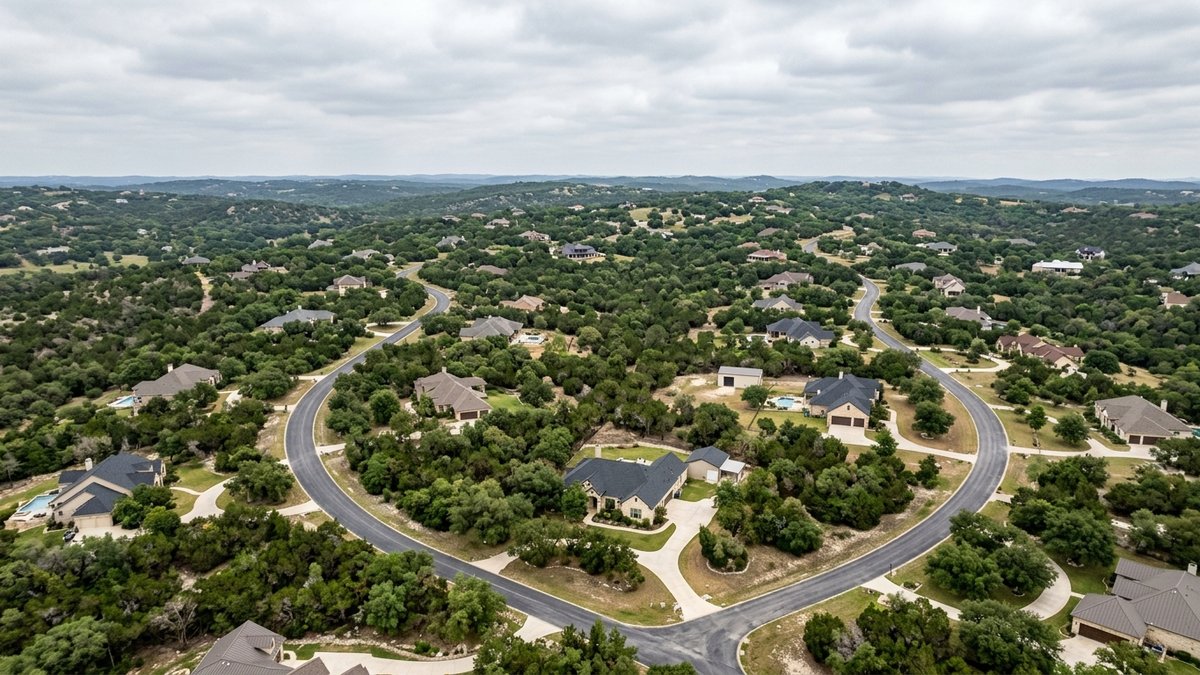
Why does a Garden Ridge acreage home need its own pricing method?
A Garden Ridge acreage property is usually a bundle of value drivers, not one simple house number plus a few extra acres. The house still needs a close comparison set for location, condition, square footage, age, layout, and buyer appeal. The land then needs a separate look at what a buyer can actually use and what the parcel asks a buyer to manage.
That distinction matters in southern Comal County. Garden Ridge has city water service, while the city resident packet identifies private septic systems. A property with a pool, shop, long drive, gates, fencing, mature landscaping, irrigation, and several acres may attract a different buyer than a similar-sized house on a smaller lot. It may also carry different upkeep questions.
I would not start by multiplying acreage by a broad number and calling that the list price. Nor would I treat the Comal Appraisal District value as a market verdict. Appraisal-district records separate land and improvement categories for tax administration. They do not replace current, verified sold comparables or a licensed appraisal.
What should be in the house baseline before land adjustments?
Start with the closest recent sales that resemble the house first. Look for the same part of Garden Ridge when possible, then compare condition, size, age, layout, garage capacity, pool, finish level, and how the property shows. If the local set is thin, widen the search carefully and write down why a farther sale is still relevant.
This is where sellers can get tripped up by a beautiful but mismatched sale. A newer house, different utility setup, more usable lot, or major shop can make a sale look similar from the street. It may tell you little about your property. The goal is not to find the highest nearby sale. It is to build a defensible baseline a buyer can understand.
Before pricing, gather the records that explain what a buyer is seeing. Include permits where available, improvement dates, pool and equipment information, septic service history, survey information, and detached-building details. Good documentation does not guarantee a dollar-for-dollar adjustment. It does make the comparison more credible.
Pay attention to the sale’s launch and response, too. A sale that sat because of condition, access, or an overreaching list price is useful context. It should not be treated as a clean comp without asking what happened during the listing period.
How do usable acreage and site improvements change the conversation?
Not every acre serves the same purpose. Level, accessible land with practical access can be more useful to a buyer than acreage that is steep, irregular, heavily constrained, or difficult to maintain. Look at the drive, gates, fencing, drainage patterns, tree cover, outdoor living areas, and whether the space works with the way likely buyers expect to use it.
Then separate the site improvements. A pool, barn, shop, covered patio, upgraded drive, retaining work, or perimeter fencing should not disappear inside a generic acreage adjustment. Compare each item to the buyer pool and to the evidence in relevant sales. Some improvements make a property easier to understand and enjoy. Others may be important but not fully transferable in value.
Aerial photos and a quick drive-by can hide important differences. One parcel may have an inviting approach and a straightforward area for outdoor equipment. Another may have a narrow access point, a steep rear portion, or drainage features that limit where people spend time. Describe the property accurately and let the comparable evidence do the work.
Garden Ridge zoning and aquifer-protection provisions are another reason to avoid assumptions. Current zoning, overlays, permits, and allowed uses should be confirmed for the exact parcel with the city and the appropriate professionals. That is due diligence, not a promise about what a buyer can build, keep, or change.
Why should utilities and future work affect the pricing range?
Utilities are part of the ownership profile. Garden Ridge publishes a water-rate schedule with inside and outside city limits, base charges, and rising usage tiers. The schedule does not tell you what any one owner will pay. It does show why a large irrigated yard, pool, or outdoor setup can have a different operating profile than a lower-demand property.
Private septic deserves the same practical attention. A seller should gather service records, note the system location if known, and avoid making broad condition claims without support. The same goes for irrigation, backup systems, wells if present, drainage features, and older mechanical equipment. A buyer will often price uncertainty into an offer. Clear records can reduce avoidable questions.
This is also where near-term capital work belongs in the conversation. Roof age, exterior maintenance, pool equipment, gates, drives, septic servicing, and deferred repairs may not have a neat line-item adjustment. They can still affect the range a buyer is willing to consider. A pre-listing conversation with the right contractor or inspector can help a seller understand the condition issue without turning the blog into legal, tax, insurance, or financial advice.
Keep the wording factual. If a system has not been recently inspected or serviced, do not label it problem-free. Give a buyer enough information to ask informed questions and let the qualified professional evaluate the system.
What is a practical Garden Ridge acreage pricing worksheet?
Use this six-line worksheet before choosing a list-price range:
- House baseline: List the closest truly comparable sales and note the property differences.
- Usable land: Separate functional acreage from constrained or hard-to-use areas.
- Documented improvements: Inventory the pool, shop, barn, fencing, gates, drive, landscaping, and outdoor improvements.
- Utility and operating profile: Note water service, septic, irrigation demand, and any supported backup systems.
- Condition and capital work: Identify known maintenance, updates, and near-term work a buyer is likely to ask about.
- Comp-distance confidence: If a sale is farther away or older, record why it belongs in the set and how much confidence it deserves.
For every line, keep the evidence, likely buyer relevance, and confidence level together. That keeps the pricing discussion honest. It also makes it easier to explain why two acreage homes with the same total acreage may land in different ranges.
For another view of the selling process, start with Glen’s Garden Ridge community page. Then review the seller guide and a seller net-sheet planning tool.
How can you test the range before listing an acreage property?
Once the worksheet is filled out, test the range from the buyer’s side. Pull up the homes a serious Garden Ridge buyer might compare on the same afternoon. Ask whether your home earns its position because of the house, the land, the improvements, or a mix of all three. If the answer depends on a feature that is hard to see online, plan how to show it clearly.
For example, a shop may matter more when buyers can see its dimensions, access, power information, and condition. A pool may need service records and current photos. Fencing and gates may need a simple explanation of what is included and where the boundaries are. A long drive can read as privacy to one buyer and a maintenance question to another. The listing should give enough context for the right buyer to understand the feature.
Review the active competition with the same discipline. A listing with more acreage is not automatically a better comparison. It may have a different house, different access, higher maintenance needs, or a location that reaches a different buyer pool. A smaller parcel with a better house baseline can also set a stronger expectation than an acreage listing with unresolved condition questions.
Then make a launch plan. Decide which facts belong in the listing, which records should be available for serious buyers, and how feedback will be sorted. Price feedback, condition feedback, and confusion about a property feature are different signals. Keeping them separate helps you respond without chasing every comment or treating the first week as a final verdict.
This is a pricing process, not an appraisal or a guarantee. A licensed appraiser can provide an appraisal when one is needed. The seller’s job is to present accurate information and choose a market position with a clear understanding of the tradeoffs.
What should a seller do before choosing the final list price?
Refresh the comparable-sale work right before the property goes live. Markets move, competing inventory changes, and a new sale can change the conversation. Walk the property with the same critical eye a buyer will use. Confirm the facts that are easy to verify, collect records, and flag the questions that need an attorney, inspector, contractor, utility provider, surveyor, appraiser, or city staff.
Set expectations for the first few weeks before the listing launches. Decide which property details need better photos, which documents can be organized, and how you will evaluate feedback. Feedback is not automatically a reason to cut the price. It can reveal a presentation issue, a missing record, or a comparison buyers keep making. Keep the original pricing rationale nearby so the discussion stays tied to evidence.
The final list price should be a market-position decision, not a prediction or a promise. A well-supported range can help you decide how to launch, how to respond to feedback, and when a price adjustment would be worth discussing.
If you are preparing to sell a Garden Ridge acreage home, contact Glen. Talk through the property details, current comparable set, and a practical preparation plan.