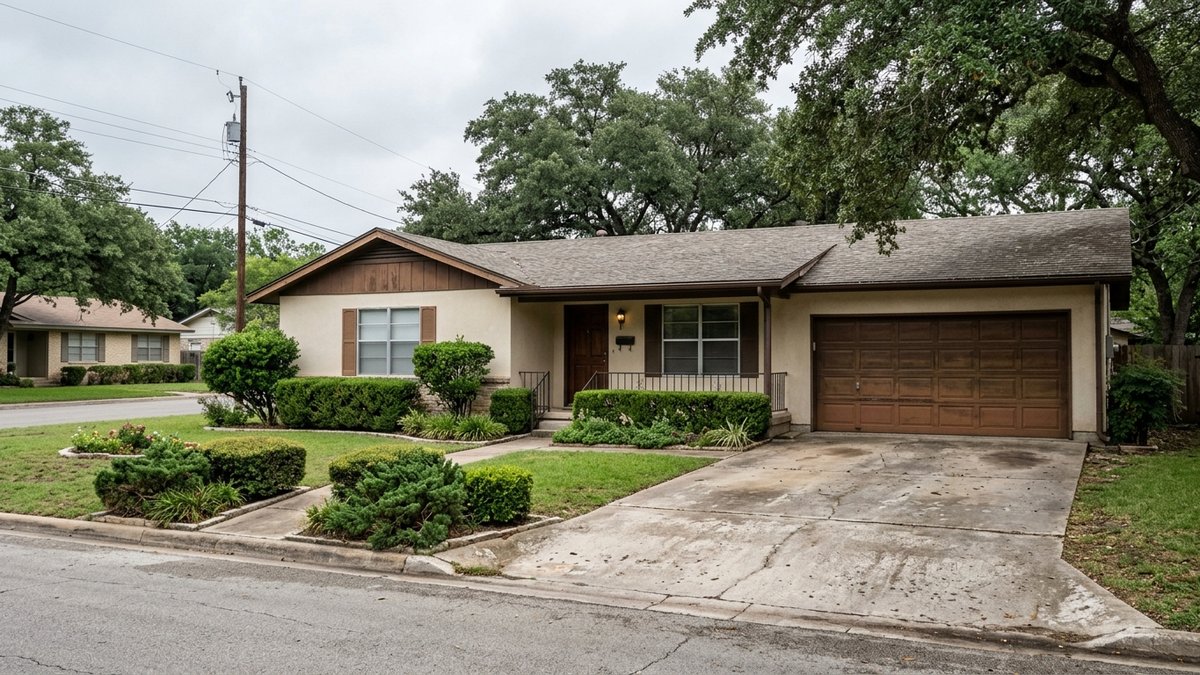
What changes when your house sits empty during the sale?
Weigh both sides before you book the movers: what showings ask of your household now, and what an empty house would ask of you until closing.
Start with showings. List what each one asks of your household today, such as clearing the counters, leaving with the dog or moving a work-from-home day around a buyer’s schedule. Ask your agent how often showing requests come in on short notice for homes like yours, and whether being out of the house would let you say yes to more of them. If showings rarely disrupt your week, that side of the scale may weigh less than you expect.
Then add up the cost side. Plan for the mortgage payment, property taxes, insurance and utilities on the house you’re leaving, along with any rent or second mortgage on the place you move into. Write down what one extra month of carrying both places would cost, so you know the number before you decide. Then ask yourself how many extra months you could carry if the sale takes longer than you hoped.
Then there’s upkeep. Decide who will mow, check for leaks, keep the heat or air running and look for anything that went wrong between showings. Ask yourself who would spot a dripping faucet or a running toilet if nobody is living there, and how soon they would see it.
Presentation is the last piece. Ask your agent which rooms would need help once the furniture is gone, and whether any of them would show better with a few pieces left in place. Glen’s guide to professional home staging in New Braunfels covers when staging an empty house is worth it.
What does looking after an empty house involve?
If you move first, make a plan for the house before you hand over the keys to the lockbox. Decide who will do each of these, and how often:
- Walk through the house, inside and out, and look for leaks, pests and anything that changed since the last showing.
- Keep the thermostat set and check that the heat or air is running, especially before a cold snap or a hot week.
- Mow, water and keep the yard to the standard your HOA or neighborhood expects, if one applies.
- Turn a few lights on a timer and keep the blinds in a normal position.
- Check that the lockbox, the door locks and any alarm work, and that your agent knows who to call if something goes wrong.
Write the plan down and share it with whoever is helping. Tape a copy inside the pantry door so anyone checking the house can find it.
How does moving out affect your homestead exemption?
Ask before you file anything on your next home. Both the Texas Comptroller and Comal Appraisal District tie the general residence homestead exemption to a home the owner has an ownership interest in and uses as their principal residence. Both also say you can’t claim a homestead exemption on another property at the same time.
That matters if you move into a new home before the old one sells. Ask whether the timing of your move, your closing and the new home’s application changes the answer for either house. The appraisal district is the office that decides.
Both offices also describe what happens when someone buys a home after January 1. The new owner may receive the exemption for the applicable portion of that tax year once they qualify, if the previous owner did not receive the same exemption for that year. Ask how that fits your new home’s purchase date and your old home’s sale.
What this means for you in plain terms: don’t let the exemption surprise you on either house. Call Comal Appraisal District before you move, tell them your timeline and ask what they need from you on the old house and the new one. If your next home is in another county, ask that county’s appraisal district the same question. Glen’s guide to Texas homestead exemptions in New Braunfels walks through how the exemption works in the first place.
When you call, have your property ID or the address, your expected move date, your expected closing date and the new home’s address ready. Write down who you spoke with and what they told you, so you have it when the next tax notice arrives.
What should you ask your insurance agent before you move?
Call your insurance agent before the moving truck comes, and ask exactly where your policy stands once nobody lives in the house:
- How does my policy treat a house that is empty or unoccupied, and does that change after a certain number of days?
- Is anything excluded or limited while no one lives there? Ask about water damage, frozen pipes and vandalism by name.
- Do I need a different policy or an endorsement for a vacant house, and what does it cost?
- What do you expect me to do to keep coverage in place, such as keeping the heat on, shutting off water or having someone check the house?
- Does the answer change if I leave furniture or bring in a stager?
Get the answers in writing. If the policy needs to change, put the new cost into your carrying-cost math before you decide to move. Read any endorsement or new policy before your move date, and ask the insurance agent to explain any condition you don’t follow.
Keep a simple record while the house is empty: the date of each check, what you looked at and a few dated photos. Ask your insurance agent whether the policy asks for anything like it.
What if you’d rather stay after closing?
Then you’re looking at the opposite move: selling first and moving out after closing. The Texas Real Estate Commission has a promulgated Seller’s Temporary Residential Lease for a seller who stays in the property after closing, and TREC’s rules adopt a standard lease form for that situation.
Ask your agent how rent, the deposit, the move-out date and insurance would be handled, and get the answers in writing before closing. Glen’s guide to whether a seller leaseback makes sense in New Braunfels walks through the costs and the move-out date both sides should plan around.
If you think you’ll want a stay after closing, tell your agent before you accept an offer, so it can be part of the negotiation from the start. Ask how long you’d need, what you’d pay and what happens if your next home isn’t ready on time, and find out early whether the buyer is open to it.
How do you decide between moving first and staying put?
Put the two options side by side and answer these questions:
| Question | Points toward moving first | Points toward staying |
|---|---|---|
| Can you carry two housing payments for several months? | Yes, comfortably | Only for a few weeks |
| Can someone look after the house while it’s empty? | You live close or have help | You’ll be far away |
| Do showings disrupt your household? | Constantly | Rarely |
| Does the house show well without your furniture? | Yes, or you’ll stage it | It needs your furniture |
| Is your next home ready? | Yes | Not yet |
If most of your answers land in one column, that’s your answer. If they split, look at the money first. Run your numbers through the seller net sheet and add the monthly cost of the empty house for the months you expect to be on the market. If that total is more than you can comfortably carry, lean toward staying put.
Whichever way you go, write the dates down before you list: when you’d move, when you’d stop paying for two places, and what happens if the sale takes longer. Share them with your agent, so every offer and counteroffer is weighed against the same dates.
What if the house takes longer to sell than you planned?
Set a checkpoint before you list, a set number of days on the market, and decide now what you’ll review if you reach it without a contract. Ask your agent to bring the showing feedback, the activity on similar listings and a fresh look at price and condition. Make the call on the numbers you wrote down at the start. For the rest of the selling process, Glen’s seller resources lay out the steps in order.