Why does renting look cheaper in New Braunfels right now?
The monthly comparison starts with one plain problem: rent is one number, but ownership is several numbers stacked together. A lease payment may include the place to live and maybe a few fees. A mortgage payment can include principal, interest, property taxes, insurance, HOA dues, mortgage insurance, and maintenance reserves.
That stack matters in New Braunfels. Recent local coverage cited about $1,809 per month for renters and about $2,072 per month for owners and maintenance. That puts the reported ownership side about $263 higher per month. Treat that as a starting point, not a rule for your exact situation.
RentCafe’s New Braunfels market page reports average apartment rent around $1,497. That number can make renting look even better if you’re comparing an apartment to a detached house. The gap can shrink fast when you compare a larger rental home to an entry-level purchase.
The biggest ownership cost that surprises people here is the tax and insurance side. The City of New Braunfels lists the 2025 city property tax rate at $0.408936 per $100 of valuation. That is only the city piece. Your actual tax bill can include county and other taxing entities tied to the exact parcel.
That is why a generic rent-versus-buy calculator can miss the real answer. You need a parcel-level tax check, an insurance quote, and a lender estimate before the monthly number means anything. The Cost of Living page is a good place to start, but the final math needs to match the home.
What ownership costs should you compare against rent?
Start with your lender’s full monthly estimate, not the listing price. A $385,000 example in the research brief showed how taxes and financing can push the monthly cost above rent before every maintenance item is counted. The point is not that every home costs that amount. The point is that the payment is built from more than principal and interest.
Ask your lender for a payment that includes principal, interest, estimated taxes, homeowners insurance, mortgage insurance if it applies, and HOA dues if the property has them. Then ask what changes if your down payment changes. A larger down payment can lower the loan amount and may change mortgage insurance. A higher rate can widen the gap.
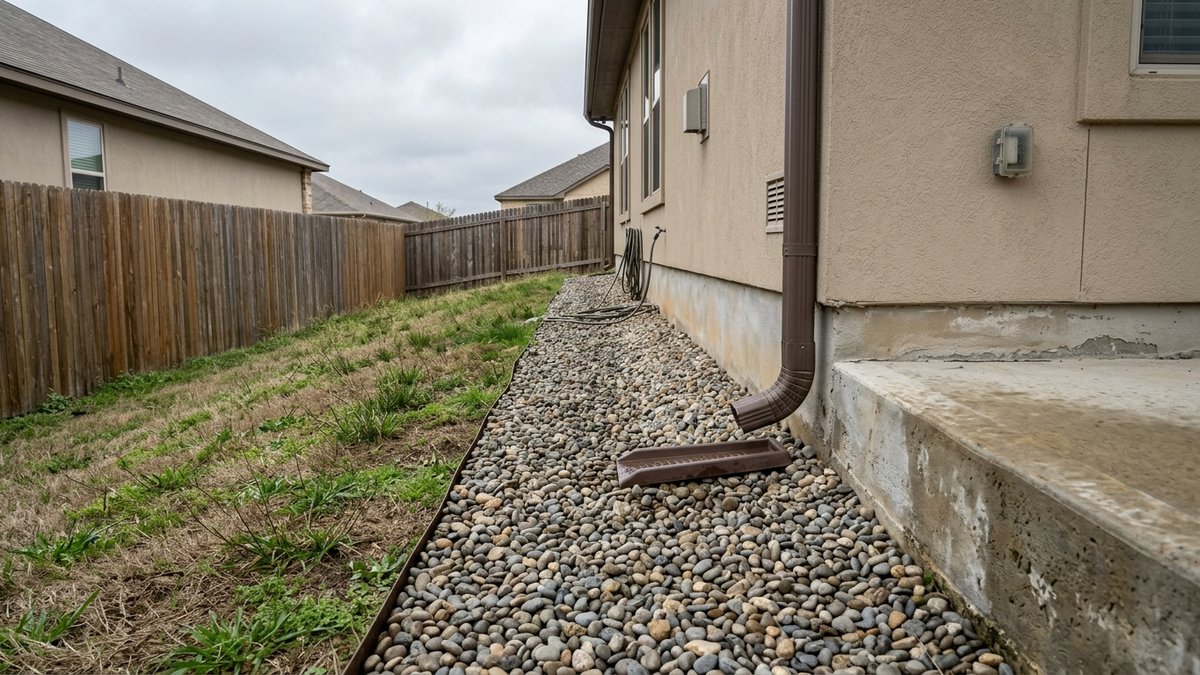
Next, add the ownership items that do not always show up cleanly in the loan estimate. Roof age, HVAC age, water heater age, fence condition, foundation observations, appliance age, and irrigation systems can all matter in New Braunfels and nearby Hill Country properties. A newer home may have different maintenance risk than an older home near downtown or a property with more land outside the core city area.
HOA dues also deserve a closer look. Some subdivisions give you amenities, common-area maintenance, or gates. Others are lighter. The dues may be monthly, quarterly, or annual. You also want to read the rules before you treat a home as a fit for your lifestyle.
Use the Mortgage Calculator to test payment ranges, then verify this with your lender, title company, CPA, attorney, or insurance professional. A calculator helps you frame the question. It does not replace a real loan estimate or property-specific tax and insurance review.
When can buying still make sense?
Buying can make sense when the higher monthly cost buys you something you actually need and can keep long enough. That might be yard space, a garage, a specific part of New Braunfels, room for work, or control over improvements. The decision gets stronger when your budget can handle the payment without draining every reserve.
The longer holding period is the main reason buying can beat renting over time. Part of each principal payment pays down your loan. Rent does not do that. Still, equity is never automatic profit or a guaranteed result. Selling has costs, markets move, and repairs happen.
Your break-even point depends on your purchase price, loan terms, closing costs, tax bill, insurance, maintenance, and what the market does while you own the home. That is why I would not tell a buyer to purchase just because rent feels wasted. You still need the numbers to work.
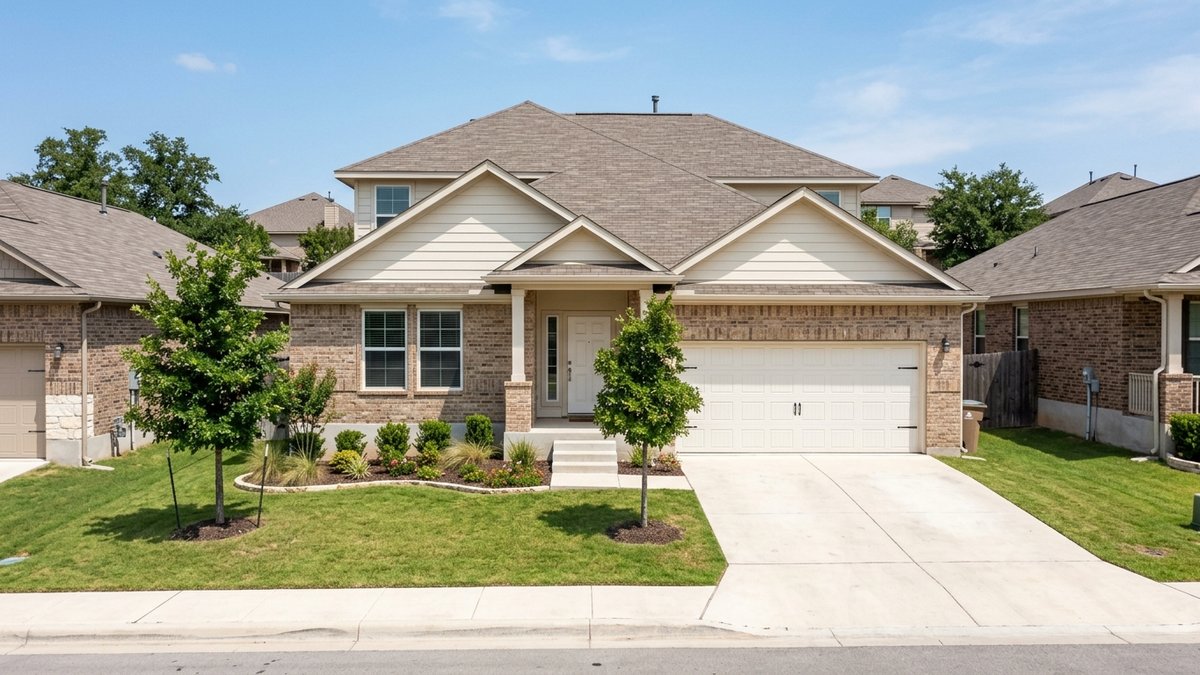
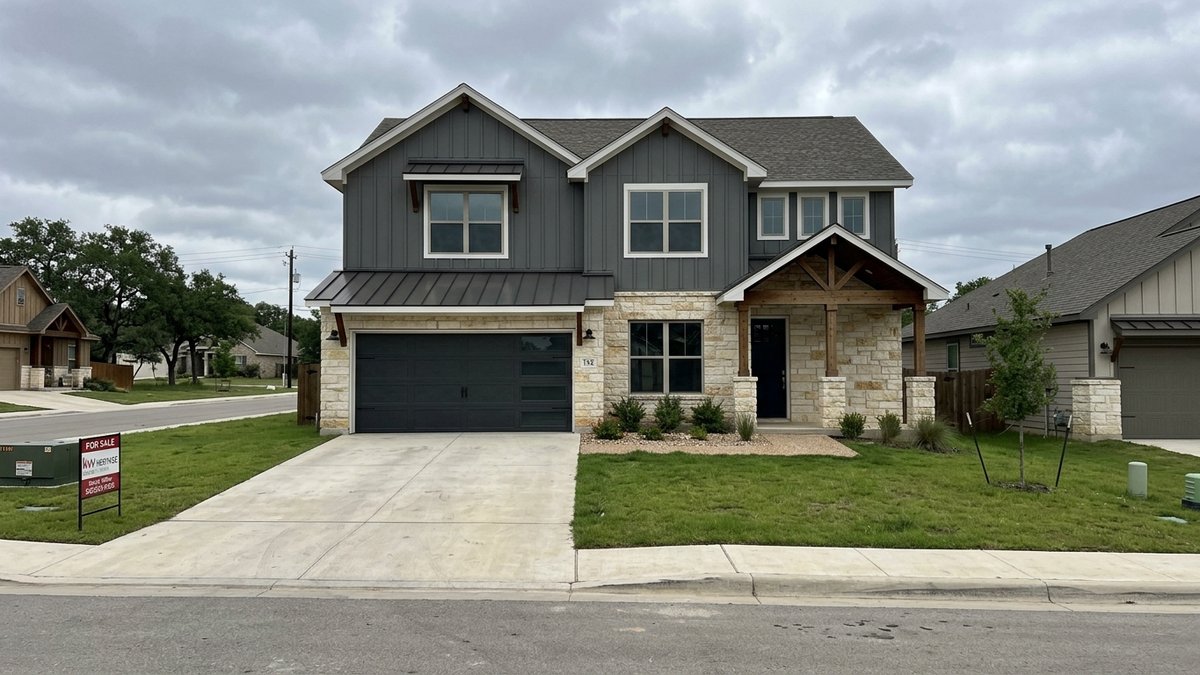
New Braunfels also has different property choices inside the same city search. A smaller home near daily conveniences may produce one monthly picture. A newer subdivision home may produce another. A Hill Country style property with more land, a longer driveway, and more systems to maintain can change the cost picture again.
If you’re close to buying, start with the Buy a Home process and build your budget from the payment backward. Decide what monthly number keeps your life comfortable, then test neighborhoods and home types against that number.
When is renting the cleaner move?
Renting is often the cleaner move when your timeline is short or your cash reserves are thin. If you may move again within a year or two, the buying costs can be hard to justify. A lease can also give you time to learn New Braunfels before you pick a street, subdivision, or commute pattern.
That matters for people moving from another city, another state, or a different Texas market. New Braunfels can feel simple on a map, but daily life changes by where you land. Gruene, downtown, the east side, the west side, and the edge of town do not all solve the same problem.
Renting also buys time when rates, job plans, or family timing are unsettled. You can keep cash available, watch inventory, and learn what you actually use every week. That can save you from buying a house that checks boxes online but misses your real daily pattern.
The tradeoff is that rent does not freeze forever. Renewal terms can change, and the right rental home may not stay available. If you know you want to stay in New Braunfels and you have the cash position, renting too long can mean restarting the search each year.
For relocation planning, the Moving to New Braunfels page can help you think through timing before you commit. A rental is useful when its flexibility is worth the cost and delay.
How should you make the decision before you sign?
Run the decision like a side-by-side budget, not a guess. Put your current rent or likely rental payment in one column. Put the full estimated owner payment in the other. Then add move-in costs, down payment, closing costs, inspection costs, utility changes, HOA dues, maintenance reserve, and your cash left after closing.
Then bring in the local piece. If you’re looking at New Braunfels Neighborhoods, compare homes by tax district, HOA dues, age, commute, and repair exposure. A cheaper purchase price can still carry a higher monthly cost if the tax, insurance, or condition picture is different.
Ask three direct questions before you decide. How long do you realistically expect to stay? How much cash will you still have after closing? What specific home or area are you buying that renting cannot give you right now?
If the answers are weak, renting may be the smarter temporary move. If the answers are strong, buying may be worth the higher payment. The right answer is the one that survives the numbers.
When you’re ready, call or text me through Contact Glen. I can help you compare real homes, rental alternatives, and payment estimates without pushing you into a decision that does not fit.