What makes New Braunfels attractive for relocation buyers?
New Braunfels works for a lot of relocation buyers because it does not feel like a suburb with one personality. You can be near Gruene, downtown, the Comal River, newer retail, or a quieter Hill Country pocket.
The location helps too. New Braunfels sits on the I-35 corridor, about 35 miles north of San Antonio and about 50 miles south of Austin, according to local relocation coverage. That matters if your work, airport runs, family visits, or medical appointments pull you in both directions.
Those Austin and San Antonio references are commute context only. That does not apply to local tax, school, grant, or assistance program guidance for a New Braunfels purchase.
For the bigger relocation picture, my Moving to New Braunfels page is a good place to start. It gives you the broader local context before you start narrowing homes.
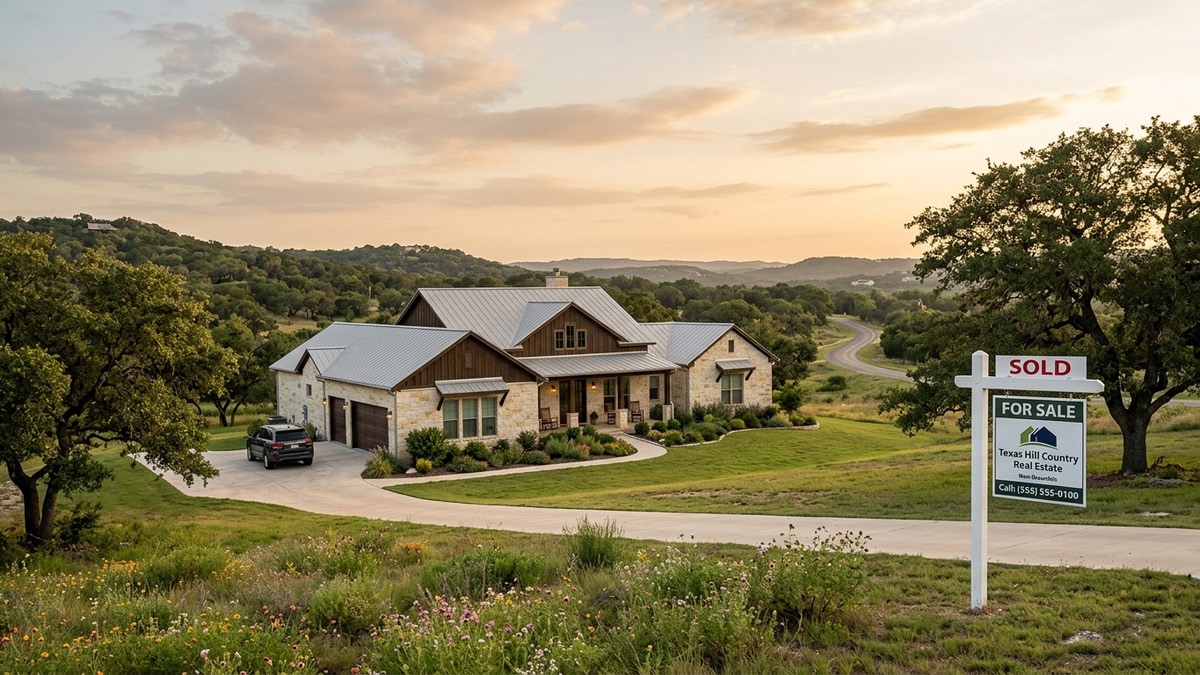
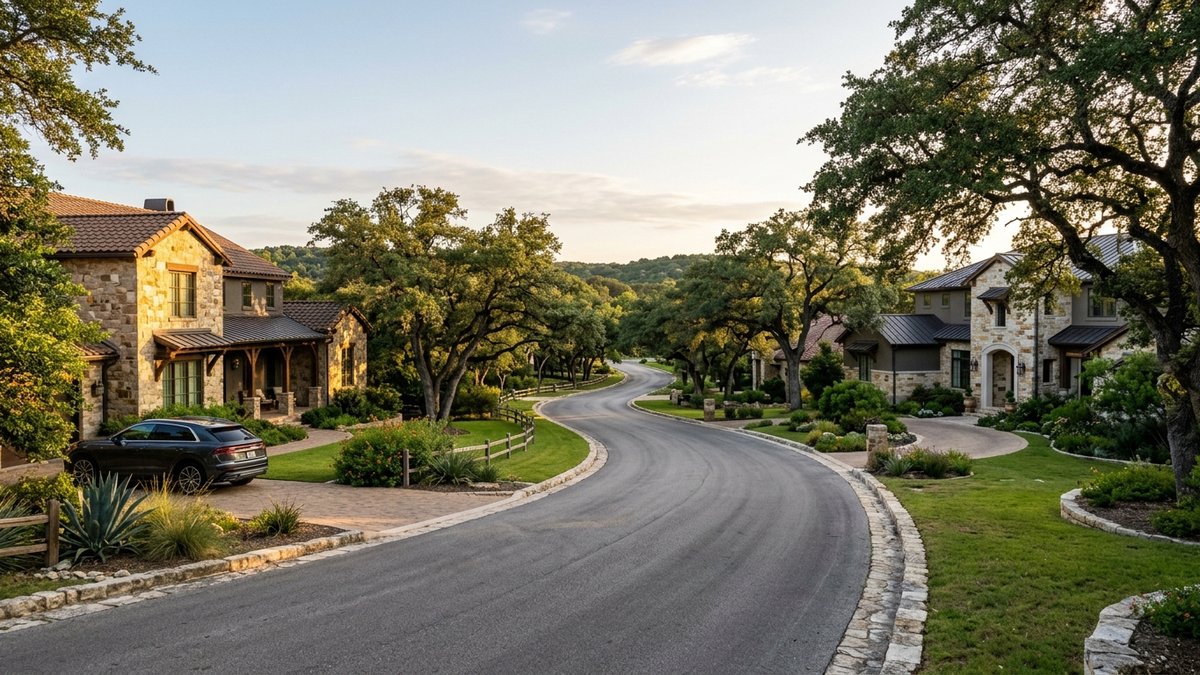
The strongest pro is flexibility. You can compare older homes near town, newer subdivisions, Hill Country style lots, and nearby areas like Canyon Lake or Garden Ridge. That gives you more ways to match the house to your day-to-day life.
The catch is that flexibility can slow you down. A house near downtown, a newer home near Creekside, and a place with more elbow room outside town can all be good choices. They are different searches with different inspection questions, tax checks, and commute tradeoffs.
Where can the cost surprise you?
The purchase price is only the first number. In New Braunfels, the monthly payment needs a closer look because property taxes and insurance can move the budget fast.
The City of New Braunfels lists its 2025 total property tax rate at $0.408936 per $100 of valuation. That city rate is not the whole bill. Your total tax bill can also include county, school district, and other taxing entities tied to the property.
That is why two homes at the same price can feel very different once the lender builds the payment. Before you fall in love with a house, check the latest tax record and ask your lender to run the full payment.
Also look at the age and condition of the house. Roof age, HVAC age, foundation notes, drainage, and deferred maintenance can matter more than a small price difference. In a fast-growing area, the cheaper house is not always the easier house.
This is general information, not legal, tax, lending, or financial advice. Verify this with your lender, title company, CPA, attorney, or insurance professional.
If you are early in the budget stage, use the Mortgage Calculator to pressure-test a few price points. Then compare that against the Cost of Living page so you are not planning from one number.
How should you think about traffic and commute time?
Mileage can make New Braunfels look easier than it feels on a bad traffic day. The city has helpful access to I-35, but I-35 is still I-35.
Peak commute windows can stretch a trip. Weekend river traffic and summer tourism can also change how the same drive feels from one month to the next.
If you are moving from Austin, San Antonio, Houston, Dallas, or out of state, do not judge the commute from a map alone. Drive it at the time you would actually leave home.
That applies inside town too. A house near Highway 46, Walnut Avenue, Loop 337, or Creekside may fit your daily rhythm better than a house that looks similar on paper. The right answer depends on your job, school assignment checks, errands, and how often you need the interstate.
I also tell buyers to test the small drives. Grocery runs, youth activities, river weekends, and airport trips can reveal more than a single commute route. A pretty house can get old fast if every normal errand feels like a project.
What are the biggest lifestyle tradeoffs?
The lifestyle side is a real draw. You have the Comal and Guadalupe rivers, Gruene, Hill Country day trips, local restaurants, and a smaller-city feel compared with the larger metros.
But growth changes the experience. More homes and more services can be helpful, but they also bring construction, busier roads, and more competition for certain homes.
You may also give up some big-city convenience. If you want a deep list of late-night options or major entertainment districts, New Braunfels may feel limited. The same is true if you expect a short drive to every specialty service.
That does not make it a bad move. It means you should be honest about the life you want Monday through Thursday, not just what looks good during a weekend visit.
The Living in New Braunfels page is useful for this part of the decision. Use it to compare the daily feel with the house search, not as a separate topic.
Weather and seasonality deserve a plain mention too. Summers are hot, river season is busy, and visitors change the feel of certain corridors. If you only visit on a perfect spring weekend, you are not seeing the whole year.
How do you decide if New Braunfels is the right fit?
Start with the monthly payment, then work backward into location. That sounds plain, but it saves a lot of wasted time.
A citywide price number can hide the real entry point for the area you want. Newer master-planned areas, river-adjacent pockets, larger lots, and homes near certain commute routes can price differently from the median.
One local housing source reported a December 2024 median listing price of $399.9K and a median sold price of $344.1K. Another 2026 local market summary reported an average home value around $345,000 as of January 31, 2026.
Those numbers can help you frame the market, but they should not run your search by themselves. Your price range, payment comfort, home condition, tax record, commute, and timing matter more than one citywide average.
Here is the simple test I would use. Pick three areas, then price the same buyer profile in each one. Compare payment, tax record, insurance quote, drive time, age of home, and likely repair items.
If you want help sorting the tradeoffs, call or text me through my contact page. I can help you compare New Braunfels, Canyon Lake, Garden Ridge, and nearby Hill Country options before you spend a weekend chasing the wrong homes.