Why a landman reads a land listing differently than a home listing?
Twenty years of negotiating with landowners and attorneys for oil and gas teaches you to read a land listing as a contract risk profile. A residential buyer looks at the listing photos and the bedroom count. A landman looks at the legal description, the easements, the mineral situation, the access road, and the survey before reading anything else. Land deals fall apart on items that never appear on a typical residential checklist.
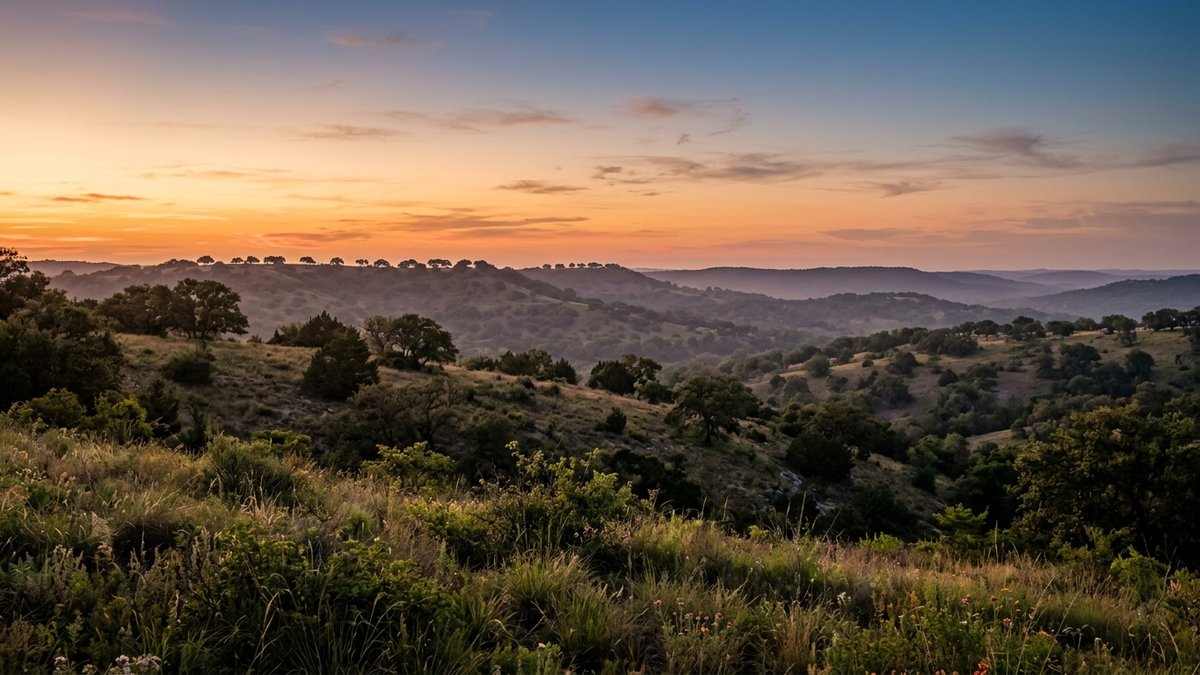
The Hill Country has its own pattern. New Braunfels, Canyon Lake, Garden Ridge, and the surrounding Comal County land all carry pieces of this. The hills change drainage. The lake area changes water rules. The acreage outside city limits changes everything from septic to road maintenance. The buyers who do well on Hill Country land are the ones who treat the listing as the start of due diligence, not the end of the search. Our Hill Country buyers guide covers the basics, but the listing itself is where the work starts.
What does the survey actually tell you?
Always ask for the most recent survey before you walk the land. A current survey shows the boundary lines, the easements crossing the property, the access situation, and any encroachments from neighbors or shared use. If the survey is more than 10 years old, it is information, not a guarantee. Things change. Fences move. Easements get added or amended.
Read the easements line by line. A pipeline easement, a power line easement, a shared driveway easement, and a road right-of-way are all different things with different rules. Some allow a wide work area on either side. Some restrict what you can build near them. Some are exclusive to a utility, and some give a neighbor recurring access through your property. None of this shows up in the listing description. All of it shapes how you can use the land.
If the survey shows the access road as a private drive, find out who owns it and who maintains it. Confirm whether the maintenance is shared by recorded agreement or by handshake. Handshake maintenance is fine until it is not. A recorded agreement is the protection you want before you commit.
What about mineral, water, and surface rights?
Texas separates mineral rights from surface rights. A piece of land you buy can come with all the minerals, none of them, or a fraction. The listing rarely says clearly. Ask the listing agent in writing what the seller actually owns and what conveys with the sale. If a third party owns the minerals, ask for the lease history and any active production or pending operations.
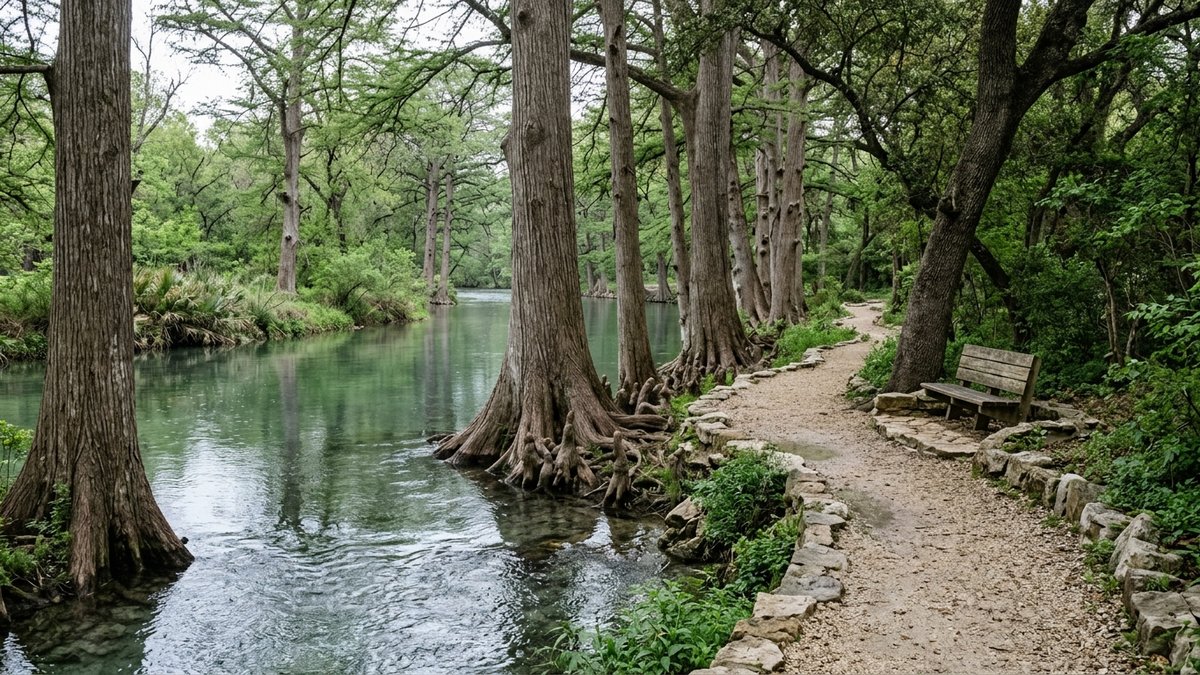
Water rights matter as much as mineral rights in some Hill Country tracts. Check whether the property has a working well, a permitted well, or no well at all. Confirm the depth, the gallons per minute, and the most recent water test if available. Surface water and groundwater have different rules in Texas. If a creek or seasonal drainage runs through the property, find out whether the water can be used and what the historic flow looks like through the year.
For lake-area land near Canyon Lake, ask about lakeside use rights, dock permit rules, and any conservation easements that limit construction near the water. The state and the river authority both have stakes here. Knowing the rules before you offer is much cheaper than finding out after.
What does the access situation really look like?
Walk the access road from the public road to the property entrance. A road that looks fine on Google Maps can be a different story in person. Note the pavement condition, the drainage, the gates, and any culverts. Note who you cross to get there. If you are crossing a neighbor’s land on a granted easement, that is workable. If you are crossing on assumed access without a recorded agreement, that is a risk.
Ask how the access holds up in weather. Hill Country roads can wash out in heavy rain, particularly in the lower drainages. Some private drives are graded twice a year. Some are graded when a neighbor decides to call the contractor. The maintenance situation is part of the cost of ownership, not just a one-time fix.
If the property has multiple frontage options or any chance of a future road, that is worth understanding too. Long-term access flexibility affects resale and use. Our Canyon Lake area page and Garden Ridge area page note where access patterns vary the most across each market.
How do you read flood, soil, and topography clues?
Pull the FEMA flood map for the address before you walk the land. A property with frontage on a creek or near the lower lake can sit partly in a 100-year flood zone. That affects insurance, building setback, and what a lender will accept. Knowing where the flood line falls on the survey lets you understand which parts of the land are buildable and which are not.
Look at the soil and topography too. Hill Country soils run from thin caliche over rock to deeper clay loams. The soil affects what can be built, what can be planted, and what the septic system options look like. A slope that looks gentle on a satellite image can be steeper than you expect on the ground. If you are planning a build site, an access drive, or any agricultural use, drive stakes into the actual location and look from there.
Walk the property at different times of day if you can. Morning sun, afternoon heat, and evening light all show different things. The good listings stand up to all three. The marginal ones often look best at one specific moment and worse the rest of the time.
How do you turn the read into an offer?
Once you have read the survey, the rights, the access, and the topography, you have enough to make a real offer with the right contingencies. Standard Texas land contracts include time for a survey and a feasibility period, but the wording matters. Make sure your contract gives you enough days for a fresh survey if needed, a soil and well evaluation, a flood map review, and any title checks. The price you pay matters less than the protection you write into the contract.
Do not rush past the title commitment. Read every easement and exception listed. If anything is unfamiliar, ask the title company to explain it before the option period closes. The cost of a few hours of careful reading is much smaller than the cost of buying into a problem you did not see.
When the read is done and the offer is right, you are in a much stronger position than the buyer who fell in love with the photos. If you want a direct conversation about a specific tract before you write the offer, that is usually the cheapest hour you can spend on the deal.