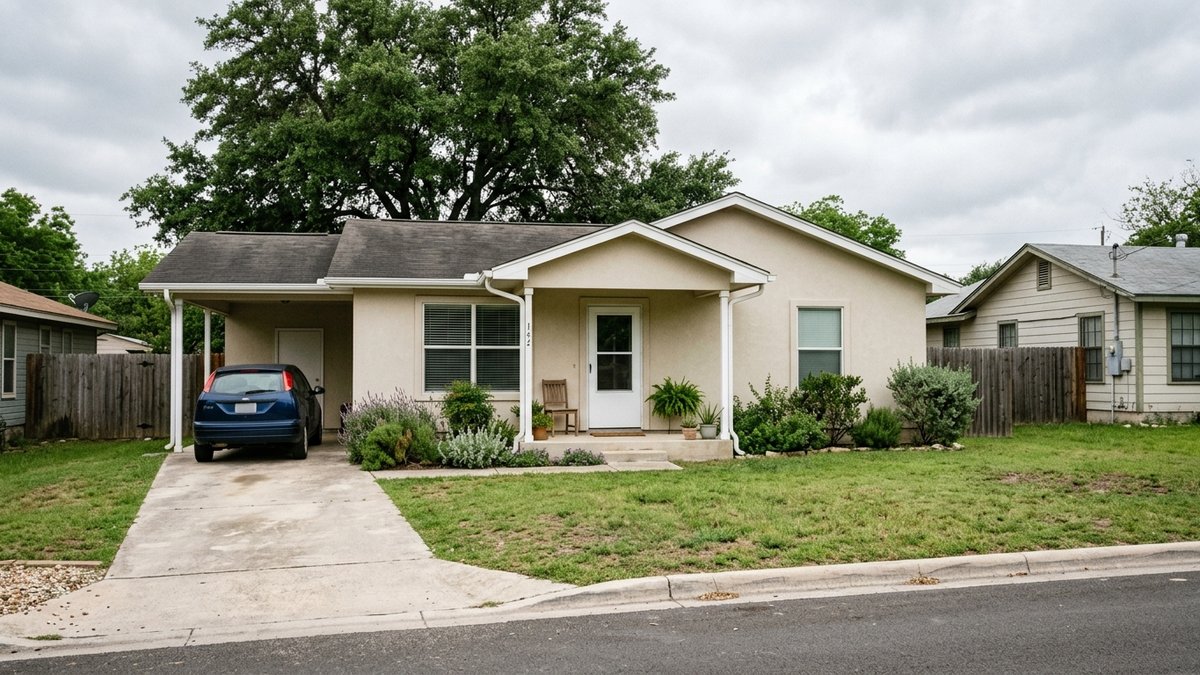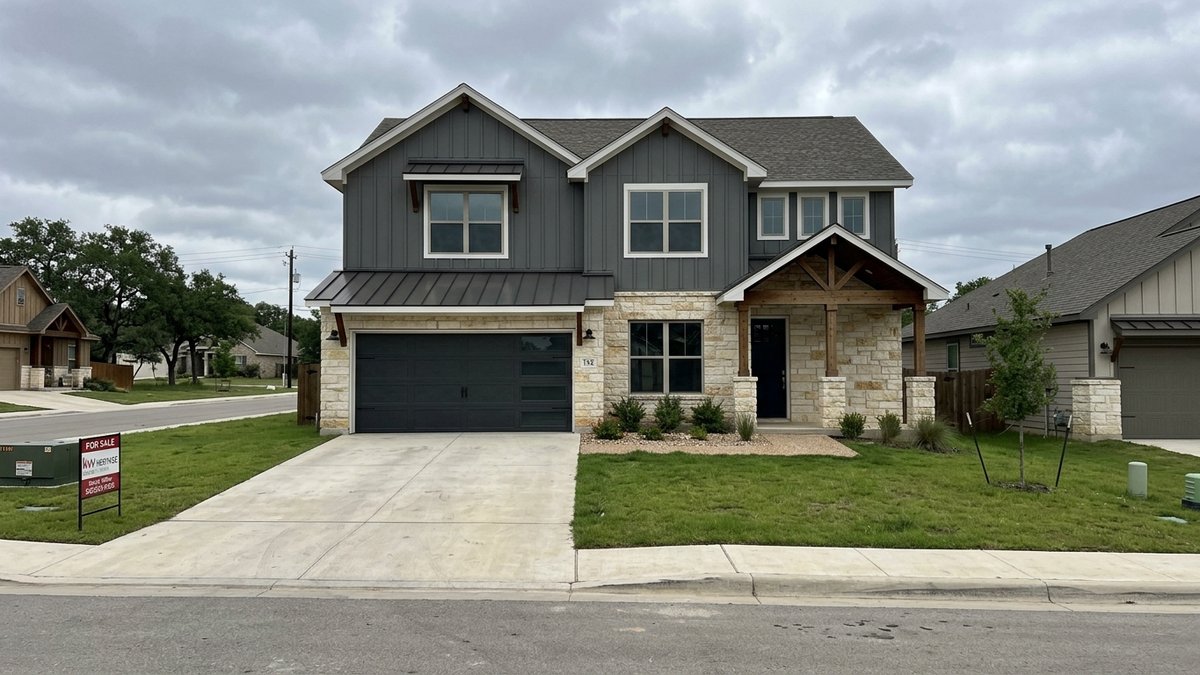
How long does it take to buy a house in New Braunfels?
A typical financed resale purchase in New Braunfels often takes roughly 30-60 days from accepted offer to closing. That estimate starts after the buyer and seller have an effective contract. It does not include the time to get preapproved, search for a home, tour properties, negotiate an offer, or resolve a property question before signing.
The contract controls the actual timeline. Its effective date starts the deadlines that matter for deposits, the option period, financing, appraisal, title and survey review, insurance, disclosures, walkthrough, funds, closing, and possession. Those milestones do not always happen in a neat sequence. Inspection and specialist follow-up may happen early while financing, title, insurance, and appraisal work continue in parallel.
A buyer planning a move in New Braunfels or the Texas Hill Country should build the schedule backward from the needed move or possession date, then add room for the issues that can slow a transaction. The property type, financing, title condition, inspection findings, and lender capacity can change the pace. A newer home, resale, acreage property, or home with unusual records may require a different review path.
The useful question is not only how many days a purchase usually takes. It is which deadlines are fixed by the signed agreement, which tasks need to happen early, and which unresolved question could affect the closing date. A dated checklist makes those risks visible before a buyer promises a move date.
What happens before you make an offer?
The pre-contract stage can take days or months because it includes the buyer’s preparation and search, not one standard transaction deadline. A buyer may need to review the budget with the appropriate financial professional, gather documents for a lender, obtain preapproval, identify a workable area, compare properties, and decide which condition or location trade-offs are acceptable.
Start the timeline before the search gets urgent
Use this early checklist:
- Discuss financing capacity. Ask the appropriate lender what information, documentation, payment assumptions, and timing the buyer should understand. A preapproval is an early lender review, not the final approval process or a substitute for reviewing the specific property and contract.
- Define the search. Decide which New Braunfels or nearby Hill Country locations, property types, condition levels, and timing constraints belong in the search. A narrow search may take longer to match.
- Plan for due diligence. Ask what inspections, records, insurance review, surveys, title work, and specialist follow-up may be relevant to the property. The right questions change for a city resale, new construction, acreage, or a property with well and septic systems.
- Choose a realistic possession target. Keep the lease end, job start, school-year preference, sale of another home, or other personal timing pressure separate from the contract deadlines until the professionals involved confirm what is workable.
The New Braunfels preapproval timing guide can help organize the early stage. The point is not to rush into a contract. It is to avoid discovering after an accepted offer that a basic document, financing question, inspection need, or timing assumption was never addressed.
For buyers already comparing homes, the search can move quickly when a property fits. That does not remove the need to understand the contract calendar. A fast offer decision still needs a plan for what happens after acceptance.
What happens during the 30-60 days after acceptance?
The 30-60 day period is a coordination window. Several workstreams move at the same time, and each one has its own questions and deadlines. The effective contract controls the dates, so use the signed form and the professionals handling the transaction as the source of truth for the specific purchase.
| Stage | What the buyer should track | Why timing matters |
|---|---|---|
| Early contract period | Deposits, option-fee delivery, inspection scheduling, and the negotiated option deadline | Inspection and follow-up questions belong early enough for the buyer to use the rights and deadlines in the signed agreement |
| Financing and appraisal | Lender document requests, underwriting conditions, appraisal status, and financing dates | A delay in documents, appraisal, or underwriting can affect the ability to close on the planned date |
| Title, survey, insurance, and disclosures | Title and survey review, insurance response, seller disclosures, and questions sent to the responsible professional | A property or coverage question may need follow-up before the transaction can move cleanly toward closing |
| Closing preparation | Final mortgage terms, funds, settlement figures, signing logistics, and possession arrangements | The buyer needs time to review the final information and resolve questions before signing |
| Final walkthrough and closing | Walkthrough, agreed condition, signing, funding, and possession | Closing and possession are related but should follow the actual contract and settlement instructions |
Texas timing has a few concrete milestones worth placing on the calendar. TREC explains the delivery of the option fee to the title company and the three-day deadline under applicable Texas contract forms. The exact form and effective date matter, so do not treat a general explanation as an interpretation of a specific contract.
For a mortgage loan, the Consumer Financial Protection Bureau says the buyer generally must receive the Closing Disclosure at least three business days before closing. That is a late-stage review milestone. The document date alone does not set the closing date. Changes or unresolved questions may require additional coordination.
Read the Texas mortgage process timeline for related lender milestones. Then keep the property-specific checklist tied to the actual contract, lender instructions, title work, insurance response, and inspection results.
What can make a New Braunfels home purchase take longer?
The purchase can take longer when one workstream produces a question that needs documentation, correction, specialist review, or a negotiated decision. The cause is not always the lender. A property issue, title question, insurance problem, inspection finding, or incomplete disclosure can also change the pace.
Common timing variables include:
- Financing and lender capacity: Missing documents, changing underwriting questions, appraisal timing, and the buyer’s loan process can affect the schedule. The lender should explain what is needed and when.
- Inspection findings: A general inspection may lead to questions about a system or condition that need a qualified specialist. The buyer should track both the inspection deadline and any contract response required.
- Title and survey review: A title, boundary, access, easement, or survey question may require research or a professional explanation before the buyer is comfortable proceeding.
- Insurance and property details: Coverage questions, property characteristics, or a change in the buyer’s insurance response may need attention before closing.
- Property type: Acreage, new construction, well and septic systems, older homes, additions, or unusual records can create additional due-diligence questions.
- Contract changes: Repairs, concessions, closing dates, possession, or other negotiated terms can affect the calendar when the parties need a written agreement and professional review.
Do not assume a delay is harmless because the original estimate had extra days. Ask what caused it, which deadline is affected, who is responsible for the next answer, and whether the signed contract provides a way to adjust the schedule. Legal, lending, title, insurance, and inspection questions should go to the qualified professional responsible for that issue.
The New Braunfels buyer closing-cost guide can help you organize cost questions early. It should not replace the actual lender, title, insurance, or settlement figures for the property you are buying.
How should you build a realistic closing plan?
Build the plan from the effective date forward and mark every deadline with the source who controls it. Keep a second list for questions that can change the closing date. This separates a date already set in the contract from an estimate that depends on another person’s work.
Use this dated checklist after acceptance:
- Record the effective date. Save the signed contract and identify the option, deposit, financing, appraisal, title, survey, disclosure, closing, and possession dates that apply.
- Schedule early inspections. Arrange the general inspection and any appropriate follow-up early enough to understand the findings within the negotiated option period.
- Track financing requests. Respond to lender document questions promptly and ask when appraisal, underwriting, and final approval milestones are expected.
- Review property information. Keep title, survey, insurance, disclosures, repair records, and specialist questions in one place.
- Confirm the late-stage review. Watch for the Closing Disclosure, signing instructions, funds needed, final walkthrough, and possession arrangements.
- Recheck the move date. Do not schedule a nonrefundable move or end a lease based only on the original estimate. Confirm the closing and possession plan with the professionals handling the transaction.
There is no benefit to making the timeline sound shorter than it is. A typical 30-60 day financed resale can move smoothly when the parties, lender, title company, inspectors, insurer, and buyer stay aligned. It can also change when the property or contract creates a question.
For a property-specific timeline review in New Braunfels, Canyon Lake, Garden Ridge, Gruene, or another supported Hill Country area, contact Glen Robison. Bring the effective date, the contract deadlines, and the questions that still need an answer.